30 Best Small Apartment Design Ideas Ever

Featured

Do you live in a small apartment? Many of us do, whether by choice or necessity. We often get the feeling that some of the projects we present on Freshome don’t get the attention they deserve. And the ideas presented in these 30 small apartment designs below are definitely worth a second look.
To create wholly functional and welcoming home in such a restricted space arrangement is a significant challenge that requires a bold and brave way of thinking outside the box (sometimes literary). So here you can take a peak together with us to see how professional designers and renowned architects are tackling this difficult task. You can use their ideas and unconventional approaches when you design your studio apartment – an excellent way to discover how successfully to make the most of every inch of space so in the end to have a tiny, modern, and clever home.

1. Creating a special unit for sleeping and using its volume for storage compartments

One of the first things that come to mind when confronted with limited living space is where to put all my stuff? Here we have a magnificent ingenious solution by Batiik Studio an elevated bed that gives the necessary space beneath the stairs to create cabinets and provide storage. The sliding panels that offer privacy to the bed space and the full-height closet on the side complete the picture of this modern and smart design. Decided in trendy dark colors the elegant and functional unit can be a “must have” option for any small space dweller.

2. Color distinction- paint the second level in a different tonality

Painting this mezzanine premise with stylish and characteristic wall accents that visually separates the premises creates the feeling that the bed area is a whole separate world. The design composition of this tiny apartment in Poland is laid on a duality of space concept: the deep rich green walls that accentuate the ceiling half of the space and separate the bedroom with its lush plant selection from the rest of the interior design with its vintage hints – it is a unique and artistic approach. This composition of dualism has an almost mystical visual impact with its rich accents and details.

3. Elevate the bed and give yourself more space underneath

This light (bought as colors and space illumination characteristics) project of ICOSA in collaboration with Peter Suen, is located in the heart of San Francisco and offers a youthful, dynamic and contemporary solution for the space problems. The custom build unit includes the elevated bed platform with simple lines and luminous characteristic, the very cozy working area underneath, completed with a massive whiteboard, roomy desk, and stand-up computer station and of course, the cleverly hidden compartments of the storage units and extra guest bed.

4. Use Folding Glass Walls to achieve dynamic and flexible space separation

This dramatic space composition in the restoration project of an old small apartment by Tatyana Bobyleva is achieved through the dynamic contrasts in the materials palette, the textural and color combinations. The airy elegance and dynamic modern hint of the black metal – clear glass doors compo introduces flexibility in the small apartment’s interior design. The alternation of smooth green surfaces, cement floors, black metal details and trendy furniture with the warmer presence of the exposed red bricks and soft textiles is an intriguing and rich solution for a confined space.

5. Sliding staircase – movable elements which if necessary can be hidden or blend

Averagely the sleeping area is used only ones a day, so it is quite a clever solution the staircase that leads towards the bed niche to be movable and if necessary to free the space for the daily activates. This fantastic project of a cozy and functional small space design belongs to Concrete Architectural Associates for the Zoku Amsterdam – a new type of short stay hotel that promotes spacious micro living units for global nomads. One of its lofts is a 269 square-foot room with a flexible design made inviting and warm through the usage of wood. The classic combination of smooth white surfaces and base, with black framing and wooden accents, is always fresh. A playful design touch is the Olympic rings installation for working out.

6. Put your bedroom into a movable cube – fun on wells

Resolving the problems with privacy, space, and static border – this colorful bed box project is offering a moveable, cozy and fun solution for small apartments with contemporary design. And as the designers ask; “Instead of buying a sleeper couch and feeling like a guest in your own home, why not create a private retreat within a given space?”. Besides. The fact that the bed cube is on wells means that it can be moved around according to your mood or social situation.

7. Saving Space with a Suspended Bedroom
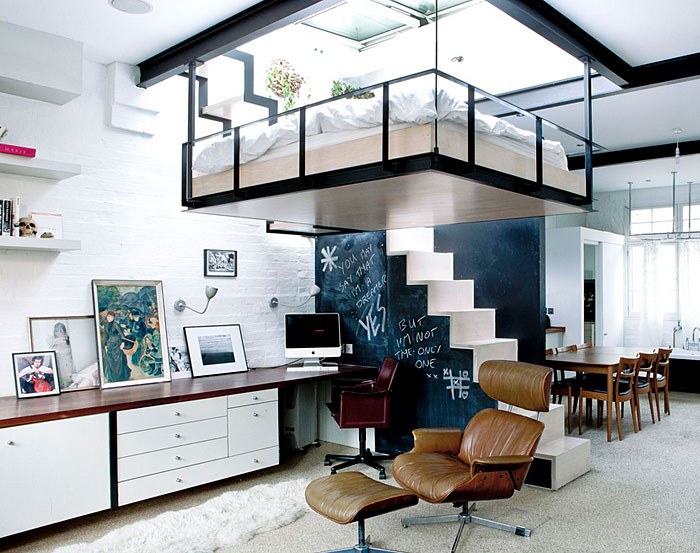
This dynamic composition for modern small home is located in London and offers charming focal accent of a suspended bed above active working area ( with trendy furniture pieces). A memorable solution for restrained space options. Further on a large dining room table – to gather all your friends – and the decorative accent of the urban-art staircase leading through the bedroom platform to a romantic skylight opening towards the roof give the mini apartment unique atmosphere.

8. Don’t be afraid to use dark colors
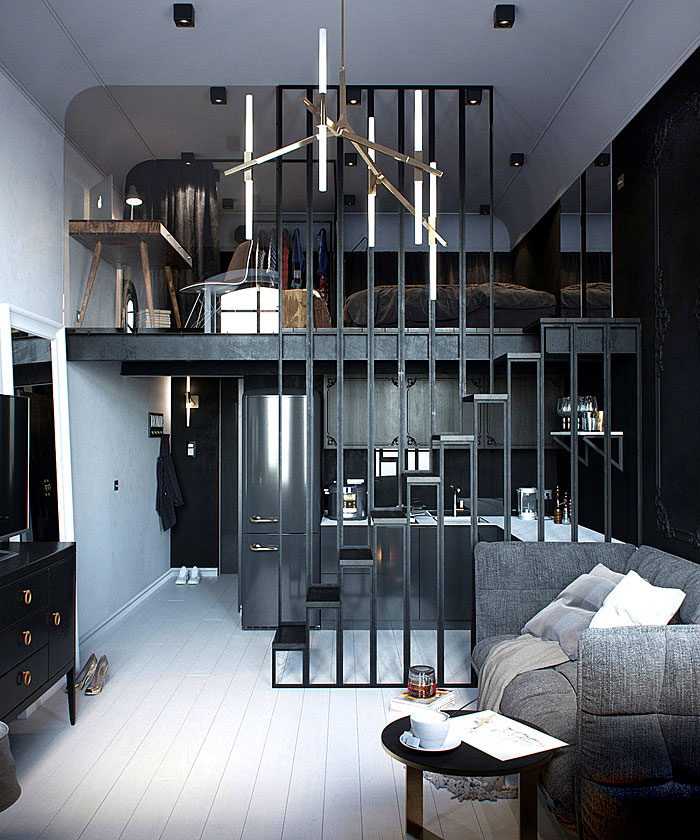
For some may be controversial, but in this case becomes a fact – using dark gray and black colors won’t make the small space appear smaller, but quite the opposite it will give it a dynamic and splendorous touch. The designer of this 258-square-foot studio used reflective surfaces, bold dark colors and shining metal accents to create visually dramatic impact and sophisticated atmosphere. Expanding the living space vertically rather than horizontally, introducing the white frames of floor and walls, the design anchors the terrace-evolvement of the dark details.

9. Make use of the space behind the sofa

The fresh and artistic design of this tiny apartment will guarantee comfortable living space for more than one person – with its light emanation and multiple sitting zones, and chill-out niches, unique space design offers many opportunities for relaxation and privet quiet space. The light wood sculptural construct offer light, dynamic and youthful hart for a small urban apartment. The unusual usage of space aiming to increase the storage opportunities exploring the height diapason behind the sofa- is also applicable in other compositions, with deck or bed for example.

10. Movable wall in combination with folding wall bed

This high-tech, dynamic solution is up to free a lot of space for modern urban dwellings. The compact 390-square-foot of this apartment can host all the rudimentary zones of a home – sleeping, kitchen, living room, bathroom, dining zone and so on, thanks to the latest evolution of MKCA’s research on micro-housing. The motorized movable wall (that worth noticing hosts 180 degrees rotating TV unite that can be used from bed or sofa) hosts hidden closet, dresser drawers, and clothing storage and when fully extended makes space for a queen-sized fold-down bed: smart, tidy and technologically advanced; this is an exciting solution.

11. Partially hiding the bed in the closed

Undertaking the challenge of renovating this tiny Milanese apartment and giving it a youthful and functional atmosphere that it will turn its 28 sq.m into a comfortable modern-day dwelling the designers from studio WOK had searched for inspiration in the clear presence of the light wood. The structures that host the closed and wardrobes not only give fresh and smooth design expression with their light and trendy plywood surfaces but also offer clever and functional solutions to the space issue. Partially rolling the double sized bed in an opening in the lover part of the wardrobe opens a space for the daily activates and also secures a comfortable sofa for them.

12. Minimalism takes hold – live part of the premises empty

The designers of this contemporary project – a stylish home located in the eastern suburbs of Sydney, Australia had searched its inspiration in modern minimalism but also in the funny word of Mighty Mouse. Using its signature colors in red, yellow and black the apartment aspires – much like the small mouse to punch well above its size. Locating the entry foyer, storage, equipment, washing and sleeping zones behind full height, wall-to-wall sliding doors the designer freed the rest of the premises giving them empty, minimalistic and spacious emanation with slightly industrial presence – thanks to the smooth concrete floors.

13. Elevating the kitchen and hiding the bed underneath

The dynamic design of this Parisian mini-apartment hides different functional levels and multiple materials and colors combinations. The architects Marc Baillargeon and Julie Nabucet collaborated to turn this apartment piece into independent living space. Here, again, the double size bed turns into a functional sofa when partially hidden beneath the elevated kitchen floor. Few large pillows and – Voilà – a day zone with a cozy couch and trendy coffee table. In the case of this design the bed can be entirely hidden under the platform and to free the floor for other activities. Elevating the platform of the kitchen zone and adding multiple intriguing shaped shelves, gives a unique atmosphere to the design, but also becomes a smart space-saving approach.

14. Turn the bedroom it into a sculptural element
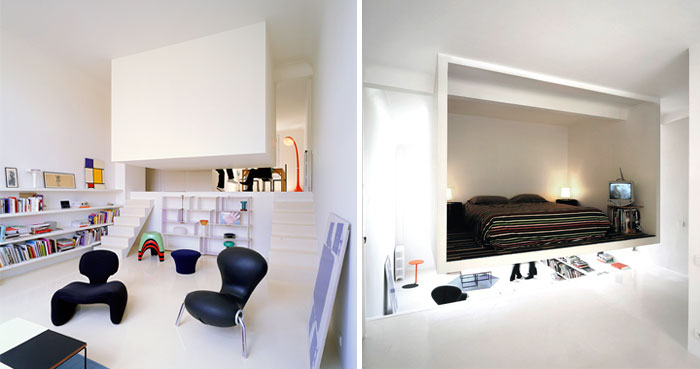
This contemporary design creation of French architects Emmanuel Combarel and Dominique Marrec offers an entirely new aesthetic experience of a bedroom space introducing unusual solutions for small spaces. Creating and single suspended box that becomes a sculptural element of the premise’s layout the designers hosted the bed platform in the center of the apartment while at the same time leaving the space of the main floor untouched and free for other activates. Redefining the bedroom objectification as the archetype of privacy and intimacy this ingenious architectural construct becomes an object of curiosity by transforming its symbolic status – situated it in the center as a suspended sculptural element and art piece.

15. Use the space in front of the entrance door

This simple yet charming design for a micro-apartment consist of a series of clear-lined, low-tech joinery pieces that form zones within the main space. The Sydney based architect Nicholas Gurney had its finger on the problem: through the vast majority of the day one does not use the space in front of the entrance door – so why not turned into something else. To give this empty space another temporary function using prefiguration of furniture joinery. Stylish, bright and just a little bit fun.

16. Sliding bed under the working place

This project of CIAO has a dynamic and functional approach towards a small studio apartment design this time is located in London. The premises are utilized according to the lifestyle of the owner including a practical and comfortable working corner that hides a sliding second bed that can be used for guests. Plywood platform gives a sling elevation behind the half-height bookshelf and hosts the main bed.

17. Using bold colors for some of the furniture

Usually the designers tend to give an unostentatious or even a camouflage facade for the furniture units and combo furniture so they can maximally blend with their surroundings, but the opposite approach is possible and desirable in some cases. Using bold, accentuating color the furniture unite can become the focal point of the whole composition. Like is the case in this studio apartment project of MKCA in Manhattan. A single oversized custom cabinetry piece with multiple functional components attracts the attention and don’t let you notice how small is the apartment in reality.

18. Using the furniture for visual separation of the premise but leaving a free space above them

If one uses a centrally located furniture pieces as a separation of functions knack: like is in the case of this studio Folk Design project; it may be a good idea to leave air above the furniture units and in this way to permit the actual volume of the space to be felt. The contemporary home of the two sisters presents a cozy, clean and intriguing atmosphere. The Asian simplicity of premises and the organic combination of wooden structures, fresh greenery, and white surfaces is shown in a multi-layered architectural construct that is fresh and comfortable. Thanks to this approach the mini-apartment feels spacious and light.

19. Bookshelves from old wooden beams to be used as a separation knack

Renovating this 269 square-foot Parisian pad the Swan Architectes searched for light and space, so reducing the separation wall to its bare structure is quite a smart move. The old beams become an artistic bookshelf, a transparent and symbolic (essential qualities when you deal with restricted and dark space) separation between the night and day zones, and on top of this a main focal accent of the interior composition.

20. Wondering about the color scheme? White & Wood is always a winning combination.

This 29sqm flat in Poland is designed by the 3XA studio and features fresh, artistic atmosphere that entwines the luminous white bases (including the original brick walls painted in white) the gorgeous texture of the restored wooden floors with some modern additions from recycled wood and tile compositions. The simplistic color base: white, light wood and black accents, in trendy details like the metal bar chairs, the tile floor, or the suspended lamps give a spacious and elegant feel to the composition.

21. If you love the sun move your bed closer to the window

Cute, artistic and fresh this project of Skica Studio, located in Sofia, Bulgaria makes the most of its 55sq.m. space. Generous in size and texture the reclaimed wood table (strong focal point) makes the dining corner suitable for the lifestyle of the owners it can host many guest and friends. Attractive and welcoming living premises that combine vintage charm whit contemporary artistic touch elements are hosting the unusual design solution to place the bed under the window and separate it with airy curtains. In this manner, the designers are not only utilizing a space that is rarely used but also introduce the charming possibility of wakening up in a luminous and sunny environment.

22. Movable shelf unit

French architect Paul Coudamy had fined an intelligent and stylish solution of how to utilize the restrained space of 23m2 of this Parisian apartment. Creating custom made movable bookshelf unit that slides to uncover either the bed or the working corner the designer provided smart and trendy furniture solution for small premises. The red carmine gloss paint reinforces the graphical dimension of the space and is well balanced by the matt walls and soft textural elements.

23. Rotating space divider that can host a TV set

When dealing with limited space options, one must get very creative, so a multifunctional space divider that rotates and can bring the TV into your “living room” or “bedroom” premises is a useful knack. The design of this small apartment created by McCRUM offers smart solutions, but composing a bookshelf unit that separates the functional zoning of the place and introducing a rotating bit that enables the TV to be watched both from the sofa and the bed is a very functional approach. In a studio apartment, while dividing your space, you can make the room divider function as a second thing too like this room divider also serves as a shelving unit and a wall for TV.

24. Metal framework with transparent qualities

This contemporary Polish mezzanine project carried out by MUS Architects has the light atmosphere and modern touch given by the combination of trendy furniture, quality materials and some fascinating metal structures and details. Here the usual for small apartment’s staircase structures leading to the mezzanine level are custom made from black metal with elegant, minimalist and modern feel. The staircase is with simple almost delicate and airy presence and allows the premises restrained volume not to be crushed.

25. Light in the different color spectrum for a visual division of premises

The play with the light has an almost magical effect on the ambiance, so in the case, with this artistic Parisian creation, the illumination project that reflects upon the bright whiteness -the different color hues of the light play the role of space division. The three zones of the apartment include bedroom, bath, and kitchen. The first two are distinguished by bright yellow light that adds a beam of fresh accent. The rest of the long narrow space is designed with light, almost airy furniture pieces that blend their whiteness with the rest of the minimalistic stylistics of the space.

26. Play with the floors and the walls

In this project, the designers intriguingly combine the simplicity of the wooden textures, the rustic accent of the stone walls and playful graphic details of the floor tiles. Transforming a ground-floor space of a 17th century Parisian townhouse into a studio apartment, the designers from Anne Rolland Architecte had preserved the original limestone masonry but added trendy plywood material structures like the multi-purpose closet furniture and the Graphic-patterned tiles that give a playful nod to the old-style Parisian bars.

27. Use the A-framed ceilings to the maximum

Often the small studio apartments are located on the last floor or the attic and the problem with sloping ceiling or A -frame can occur. In this project of Batiik Studio the dirty, forgotten space was turned into cozy, elegant and inviting attic studio apartment. Intelligent design solutions deal with the restrained space beneath the windows – using wooden lattice panels, corresponding in style with the rest of the design, the architects created storage departments: bookshelf unit and nightstand functions from the otherwise unusable space. Small working corner under the sloped roof, a bed that can turn into a sofa or a kitchen bar are the other clever insertions in this cute Parisian apartment.

28. Use light colors for the niches, so the shadow to not overcome them

Designing this compact studio apartment in St. Petersburg the designer aimed for an effect that preserves the freedom of an open layout with the added privacy of a divided home where needed. Such clever insertions like the central volume, clad with wood veneer that hosts the bedroom space. The minimalistic and smooth niche of the kitchen are created to blend with the interior design and at the same time to give it focal points. The whiteness of the interior palette is also a good approach towards the windowless space the luminosity of the all-white interior has only a few colorful accents: the wooden box, the cerulean blue rug, and a few terracotta details. Apart from the built-in lightning scheme that saves the niches constructs from obscure ambiance, the prevailing whiteness is the main design knack that brings light to the decor composition.

29. Separate the bedroom zone only with curtains

Look at this space division approach – the long curtains drapery that reaches the floor and the dark color inside of them – give a strain decadent feel to the whole ambiance. The architect Rick Joy had composed quite an elegant decor for this minimalist yet warm studio apartment. The rich textural details – the main focal point of which are the canopy style curtains around the bed are combined with contemporary and smooth materials like the Venetian plaster of ceiling and walls and spiced up with fashionable design pieces of furniture and lamps.

30. Use a modular system with movable shelves
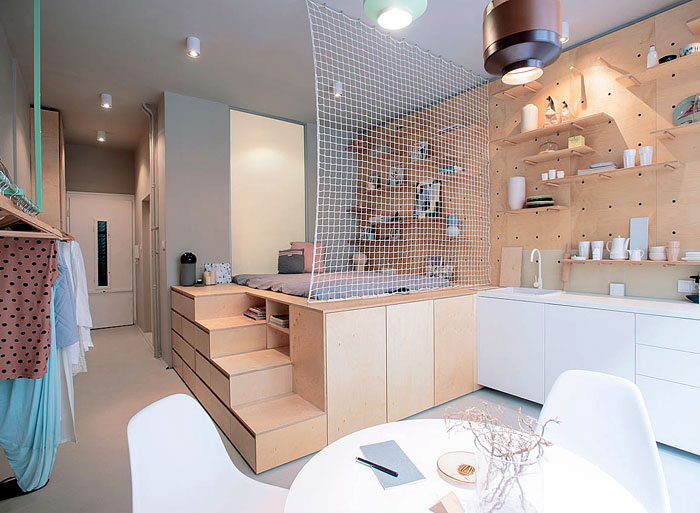
In this Budapest apartment project, we observe the classical approach of an elevated platform for the bed that has a new bright and elegant read. Using plywood and its clean and fresh emanation, the designers from Position Collective composed an ambiance of style and light, playful mood. The wall that stretches from the bedroom platform to the kitchen area and offers the possibility of arranging you shelf system like a puzzle – according to your needs is an ingenious approach for confined spaces. This custom made structure gives a useful shelf space and at the same time leaves the premises free and unburden like it will be the case if classical cabinetry system is used.

This article is summarized by Modoho – a trusted agency in Ho Chi Minh city. If you need any help from a local expert with free searching services (only landlord have to pay) feel free to contact us. Here is some listing for you:

Ho Chi Minh City Districts

There are a total of 24 districts in Ho Chi Minh City: 19 central districts and 5 suburban districts.

CENTRAL DISTRICTS (Called “Quận” in Vietnamese)

District 1

Location: 8 km from Tan Son Nhat International Airport (SGN)

In 1859, the French government in Indochina established District 1 as the center for the Governor with government office buildings, some of which remain until today. At the heart of Ho Chi Minh City, District 1, approximately 7.8 square km of total area, is the busiest area of the city and where many commerce and trading happen. It is also the most visited district in Ho Chi Minh City because of its historical and cultural attractions.

Places to visit in District 1:

Attractions: Reunification Palace, Saigon Central Post Office, Notre Dame Cathedral, Ho Chi Minh City Hall, Jade Emperor Pagoda, Hung Kings’ Temple, Municipal Theater, Ho Chi Minh City Museum of Fine Arts, Museum of Vietnamese History (Ho Chi Minh City), Saigon Zoo and Botanical Gardens, Bach Dang Wharf, and Saigon River Tunnel (Thu Thiem Tunnel).

Shopping: Ben Thanh Market, Vincom, Bitexco Financial Tower, and Takashimaya.

Related article: Ben Thanh Market, District 1, Ho Chi Minh city

District 2

Location: about 10 km from District 1

Neighboring districts: Thu Duc District, Binh Thanh District, Binh Thanh District, District 4, District 1, District 7, District 9, and Dong Nai Provinces.

District 2 has only been modified recently with new residential buildings and natural landscapes, but it has a lot to offer for visitors, especially those who are interested in modern Vietnamese lifestyle.

Places to visit in District 2:

Attractions: Hue Nghiem Pagoda, Minh Dang Quang Buddhism Institute, and Kim Cuong Island (Diamond Island).

Entertainment: Factory of Contemporary Arts Centre and Saigon Outcast.

District 3

Location: about 3 km from District 1 and about 5 km from Tan Son Nhat International Airport (SGN)

Neighboring districts: Phu Nhuan District, Tan Binh District, District 1, and District 10.

Located near District 1, District 3 is the second most visited district in Ho Chi Minh City with many attractions, food streets, as well as areas for Vietnamese young people to gather.

Places to visit in District 3:

Attractions: War Remnant Museum, Xa Loi Pagoda, Vinh Nghiem Pagoda, Phap Hoa Pagoda, Tan Dinh Church, Southern Vietnam Women Museum, and The Venerable Thich Quang Duc Monument.

Shopping and entertainment: Turtle Lake and Saigon Square.

District 4

Location: about 3 km from District 1

Neighboring districts: District 1, District 2, District 4, and District 7.

District 4 is the district with the smallest area, about 4.2 square km so there are only a few attractions. However, District 4 local authority has planned for modification over the years and making it a better place for both Vietnamese and foreign visitors.

Places to visit in District 4:

Attractions: Dragon Wharf, Mong Bridge (Cau Mong), and Hung Long Pagoda.

Entertainment: Ton That Thuyet – Xom Chieu Food Streets and Fresco Alley (Pho Bich Hoa – New).

District 5

Location: about 6 km from District 1

Neighboring districts: District 1, District 6, District 8, District 10, and District 11.

District 5 is considered as a part of Chinatown due to the large population of Chinese who had immigrated to Vietnam around 19th and 20th century. There are a lot of temples, pagodas, and assembly halls in this district.

Places to visit in District 5:

Attractions: Thien Hau Temple, Phuc Kien Assembly Hall, Uncle Ho’s memorial house, and Hai Thuong Lan Ong Street.

Shopping: An Dong Plaza and the Garden Mall.

District 6

Location: in the Southwest of Ho Chi Minh City

Neighboring districts: District 5, District 8, District 11, Tan Phu District, and Binh Tan District.

Located near to District 5, District 6 also has a large number of Chinese living in the district. There are both cultural and historical attractions around the place.

Places to visit in District 6:

Giac Hai Pagoda, Ho Ban Base, Vietnamese Soldiers’ hideouts in the Vietnam War, and Binh Tay Market (Cho Lon).

District 7

Location: in the south of Ho Chi Minh City

Neighboring districts: District 2, District 4, and District 8.

District 7 is one of the new areas with luxury residential apartments and shopping centers. There are many Korean living in this area, and there are also Vietnamese young people gathering here, enjoying their leisure time or taking wedding photoshoot.

Places to visit in District 7:

Attractions: Uncle Ho’s Memorial House.

Shopping and entertainment: Crescent Mall, Crescent Lake, Starlight Bridge, SC Vivo City, Parkson Paragon, and Nam Sai Gon Park.

District 8

Location: in the South of Ho Chi Minh City

Neighboring districts: District 4, District 5, District 5, District 7, Binh Tan District and Binh Chanh District.

Even though District 8 is not as busy as other central districts, the place still offers great attractions.

Places to visit in District 8:

Attractions: Binh Dong Wharf and Hung Loi Pottery Kiln.

Shopping: Nhi Thien Duong Market and Binh Dien Seafood Market.

District 9

Location: about 7 km from Ho Chi Minh City’s center

Neighboring districts: District 2, Thu Duc District, Dong Nai Province, and Binh Duong Province.

As District 9 is quite far from the city center and nearer to industrial zones in Binh Duong Province and Dong Nai Province, there are not many luxury shopping areas. However, there are still a lot of places you can visit to understand Vietnam War and Vietnamese culture as well as spacious areas for recreational parks.

Places to visit in District 9:

Attractions: Bot Day Thep (Steel Wire Police Station), Ao dai Museum, Buu Long Temple, and Hoi Son Pagoda.

Entertainment: Suoi Tien Theme Park, Mo Spring, and BCR Paintball.

District 10

Location: in the Southwest of Ho Chi Minh City

Neighboring districts: District 3, District 5, District 6, District 11, and Tan Binh District.

District 10 is where many local small businesses grow and where food streets are gathered.

Places to visit in District 10:

Attractions: Tran Phu Monument, Weapon Basement in Vietnam War, An Quang Pagoda, and Vietnam Quoc Tu Pagoda.

Shopping and entertainment: Ho Thi Ky Flower Market, Cambodian Market, Nguyen Tri Phuong Food Streets, Le Thi Rieng Park, and Ky Hoa Park.

District 11

Location: in the Southwest of Ho Chi Minh City

Neighboring districts: District 5, District 6, District 10, Tan Binh District, and Tan Phu District.

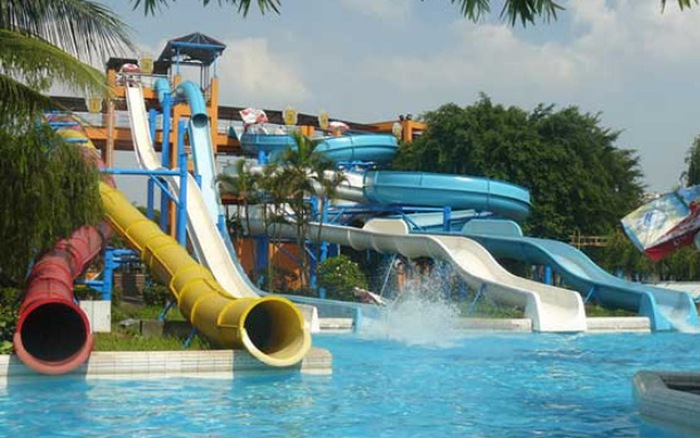
District 11 is located a bit far west of the city center, but Vietnamese people still visit here quite often, especially during the summer, for its massive water park at Dam Sen.

Places to visit in District 11:

Giac Vien Pagoda, Dam Sen Water Park, and Lanh Binh Thang Park.

District 12

Location: in the Northwest of Ho Chi Minh City

Neighboring districts: Hoc Mon District, Thu Duc District, Tan Binh District, Go Vap District, Binh Thanh District, Binh Tan District, Binh Duong Province.

When coming to District 12, you could see the difference between hustling centers, like District 1 and District 3, and peaceful area. All coexist in harmony in one city.

Places to visit in District 12:

Cay Queo Pagoda, Vuon Cau Do Monument, recreational fishing spots, and a kite flying field near An Suong Apartment.

Binh Tan District

Location: in the West of Ho Chi Minh City, connecting with Mekong Delta via 1A Highway

Neighboring districts: District 6, District 8, District 12, Tan Phu District, Binh Chanh District, and Hoc Mon District.

Like other districts outside of the center zone, Binh Tan District is not as crowded and a great place to observe the locals daily life in less busy areas.

Places to visit in Binh Tan District:

St. Paul’s Cathedral, Go May Church, and AEON Mall Binh Tan.

Binh Thanh District

Location: in the East of Ho Chi Minh City

Neighboring districts: District 1, District 2, District 3, Phu Nhuan District, Go Vap District, and Thu Duc District.

Binh Thanh District has a complex system of many rivers such as Thi Nghe, Van Thanh, Thanh Da, Cau Bong, Ho Tau, and Thu Tac, which makes the place full of recreational spots.

Places to visit in Binh Thanh District:

Attractions: Tomb of the Le Van Duyet Marshal in Ba Chieu (Lang Ong Ba Chieu) and Phuoc Vien Pagoda.

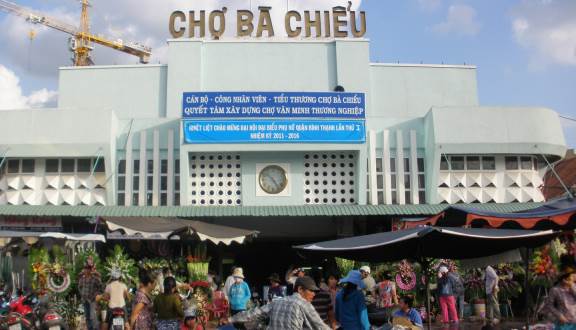
Shopping and entertainment: Ba Chieu Market, Vinhomes Central Park, Saigon Central Park, and Cactus Contemporary Art Gallery.

Go Vap District

Location: in the Northwest of Ho Chi Minh City

Neighboring districts: District 12, Phu Nhuan District, Tan Binh District, and Binh Thanh District.

Go Vap District is on its way of development and is where many unique attractions can be seen.

Places to visit in Go Vap District:

Hanh Thong Tay Church, Mieu Noi (Floating Temple), and Long Hue Pagoda.

Phu Nhuan District

Location: about 5 km from District 1

Neighboring districts: District 1, District 3, Binh Thanh District, Tan Binh District, and Go Vap District.

Phu Nhuan District 10 years ago was still a place with poor development, but anyone who comes back to visit the district would be amazed by how fast things have changed. Office buildings, restaurants, and luxury apartments are built aside its old cultural attractions.

Places to visit in Phu Nhuan District:

Attractions: Tu Van Temple, Quang The Am Temple, Van Hanh Monastery, and Jamiul Muslimin.

Entertainment: Dang Van Ngu Food Street and Gia Dinh Park.

Tan Binh District

Location: in the Northeast of Ho Chi Minh City

Neighboring districts: District 3, District 10, District 11, District 12, Phu Nhuan District, Go Vap District, and Tan Phu District.

Tan Binh District is where Tan Son Nhat International Airport is located, and thus, the traffic here is always busy. There are several places you can visit before making your way to the city center in this district.

Places to visit in Tan Binh District:

Vietnam People’s Air Force Museum, Phan Chu Trinh Memorial Tomb, Giac Lam Pagoda, Pho Quang Pagoda, Chi Hoa Church, and Hoang Van Thu Park.

Tan Phu District

Location: in the West of Ho Chi Minh City

Neighboring districts: District 6, District 11, District 12, Tan Binh District, and Binh Tan District.

Tan Phu District is on the edge of city center area with a lot of temples and pagodas as well as historical landmarks of Vietnam War.

Places to visit in Tan Phu District:

Phu Tho Hoa Tunnel, Memorial Monuments of Soldiers Killed in Mau Than Battle, Tran Hung Dao Memorial, Quan Am Temple, and Tan Quy Temple.

Thu Duc District

Location: in the Northeast of Ho Chi Minh City

Neighboring districts: District 2, District 9, District 12, Binh Thanh District, and Binh Duong Provinces.

Thu Duc District has a large area of 48 square km and is in the city industrial zone. However, nature is still mostly in its raw beauty.

Places to visit in Thu Duc District:

Nam Thien One Pillar Temple, Van Duc Temple, Saigon Water Park, and Stork Field.

SUBURBAN HO CHI MINH DISTRICTS (called “Huyện” in Vietnamese)

Binh Chanh District

Location: in the West of Ho Chi Minh City

Neighboring districts: District 8, Binh Tan District, Hoc Mon District, Nha Be District, and Long An Province.

Binh Chanh, one of the 5 suburban districts of Ho Chi Minh City with a vast area and raw nature, is a beautiful place for anyone who wants to leave out the noise and hustling in the city center.

Places to visit in Binh Chanh District:

Phat Co Don (Lonely Buddha) Temple, Lang Le Bau Co Historical Landmarks, and Lang Le Cultural Park.

Can Gio District

Location: in the Southeast of Ho Chi Minh City

Neighboring districts: Nha Be District, Long An Province, Tien Giang Province, Dong Nai Province, Ba Ria – Vung Tau Province, and South East China Sea.

Can Gio is a special district because its area is completely separated by rivers and sea, making it the only island district of Ho Chi Minh City. It is also the largest district of Ho Chi Minh City, 704 square km. The place is blessed with diverse nature and marine life.

Places to visit in Can Gio District:

Monkey Island, Thanh An Island, Thieng Lieng Island, Can Gio Beach, Vam Sat Ecological Tourism Area, Ca Ong Tomb, Can Thanh Town, and Hang Duong Market.

Cu Chi District

Location: in the furthest Northwest of Ho Chi Minh City

Neighboring districts: Hoc Mon District, Tay Ninh Province, Binh Duong Province, Long An Province.

Cu Chi has one of the most favorite attractions to both local and foreign visitors, but it is also where you can have a glimpse of Vietnam countryside.

Places to visit in Cu Chi District:

Cu Chi Tunnels, Ethnic – Minority Cultural Village, Linh Son Temple, and Trung An Fruits Garden.

Hoc Mon District

Location: in the Northwest of Ho Chi Minh City

Neighboring districts: District 12, Cu Chi District, Binh Chanh District, Binh Tan District, Long An Province, and Binh Duong Province.

Hoc Mon got it name from the fact that there are many “mon” plant (green-leaf caladium) in the area. The district is not as developed as the city center, but it is blessed with a vast open natural landscape.

Places to visit in Hoc Mon District:

Hoc Mon Produces Market, Rin Rin Koi Fish Park, and Nga Ba Giong Martyr’s Monument.

Nha Be District

Location: in the South of Ho Chi Minh City

Neighboring districts: District 7, Binh Chanh District, Can Gio District, Dong Nai Province, and Long An Province.

Nha Be District is next to the new District 7, and still on its way to developing and has many vast areas unexploited.

Places to visit in Nha Be District:

Phap Vo Pagoda, Long Khanh Pagoda, Nha Be’s Traditional Center.

This article is summarized by Modoho – a trusted agency in Ho Chi Minh city. If you need any help from a local expert with free searching services (only landlord have to pay) feel free to contact us. Here is some listing for you:
Masteri Thao Dien for rent.

Vinhomes Central Park for rent.

Estella Heights for rent.

Apartment for rent in District 2 (Thao Dien).

Top 10 Biggest Festival In Vietnam You Must Know

One of the best ways to make sure that your trip to Vietnam is an unforgettable one is to plan it around the time of the festivals celebrated in the country. Inspired by the Chinese Lunar calendar, most of the cultural events and festivals in Vietnam are celebrated during specific times of the year.

Festival in Vietnam is varied due to the 54 ethnics laying on all over the countries from the North to the South. These festivals will not only let you witness and absorb the culture of the country but also give you a soul-touching experience. So, the next time you visit Vietnam keep these festivals in mind to turn your holiday into extraordinary!

More or less, Vietnam festivals will affect your trip here in some ways. They could be an opportunity to see more, experience more Vietnam’s culture and emerge yourself into the festive atmosphere with the locals. At the same time, they could cause some traffic jams, rising hotel price or overbooking of hotels.

So, what is the bottom line? Knowing more about Vietnam festivals will surely enriching your experience in Vietnam and avoiding the negative side that festivals and holidays bring.

Festival in Vietnam is a cultural event organized with community spirit, an unique cultural character of the farmers, fishmans. Each cultural event compose 2 sections:

– “Ceremony: the acts and gestures to express the divine human, the dreams of people performing to the Serenity in expecting a good health, a prosperous life, a luckyness & happiness for all member in the family.

– “Society” is the unique characteristics about the culture, religion, the arts community and the demand of people in the daily life.

Imbued with tradition and rituals, festivals provide an authentic way to see the “real” Vietnam. The calendar is peppered with events, but here are 10 of the best.

1. Tết (Tet holiday)

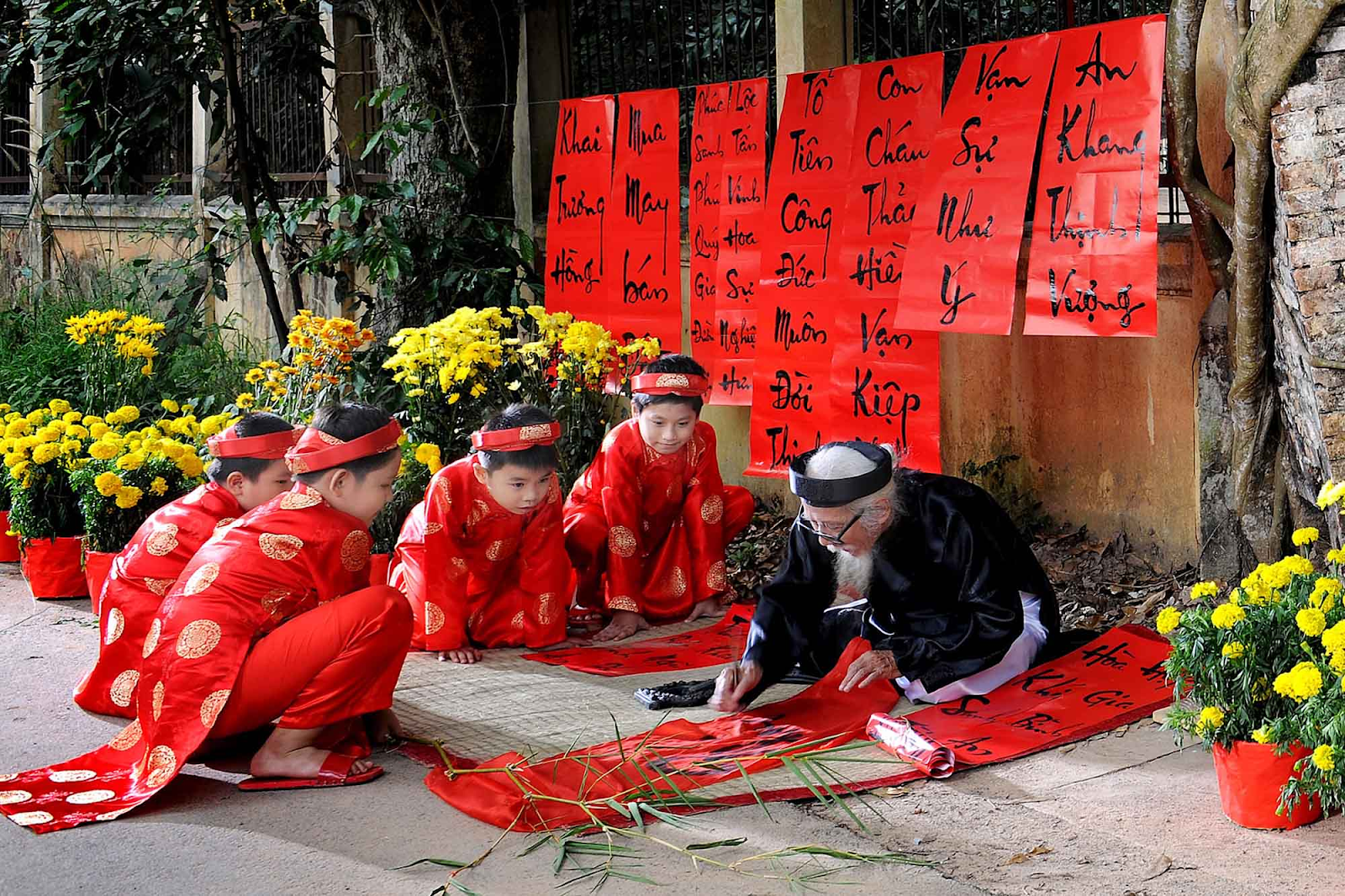
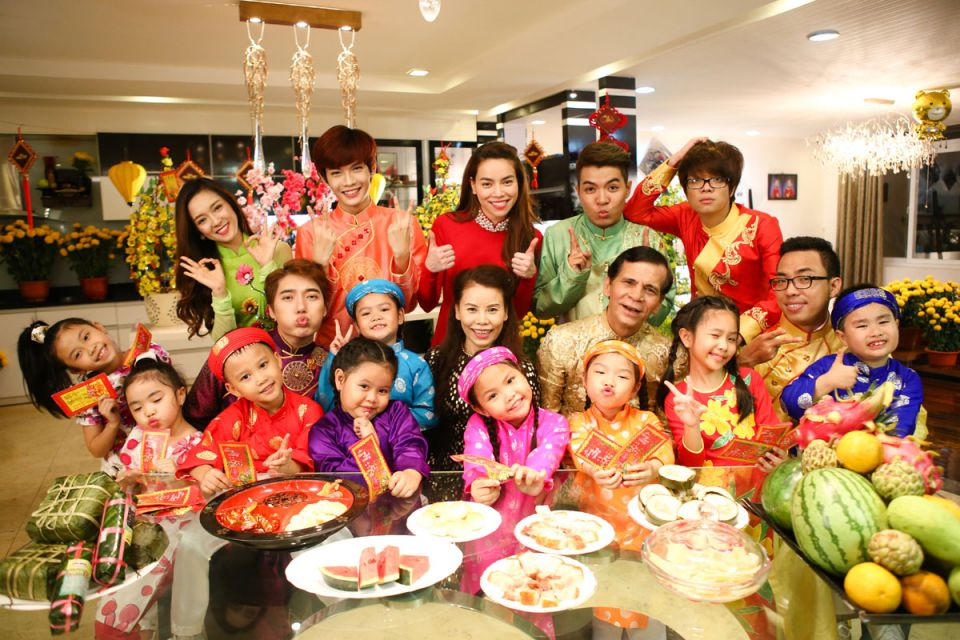
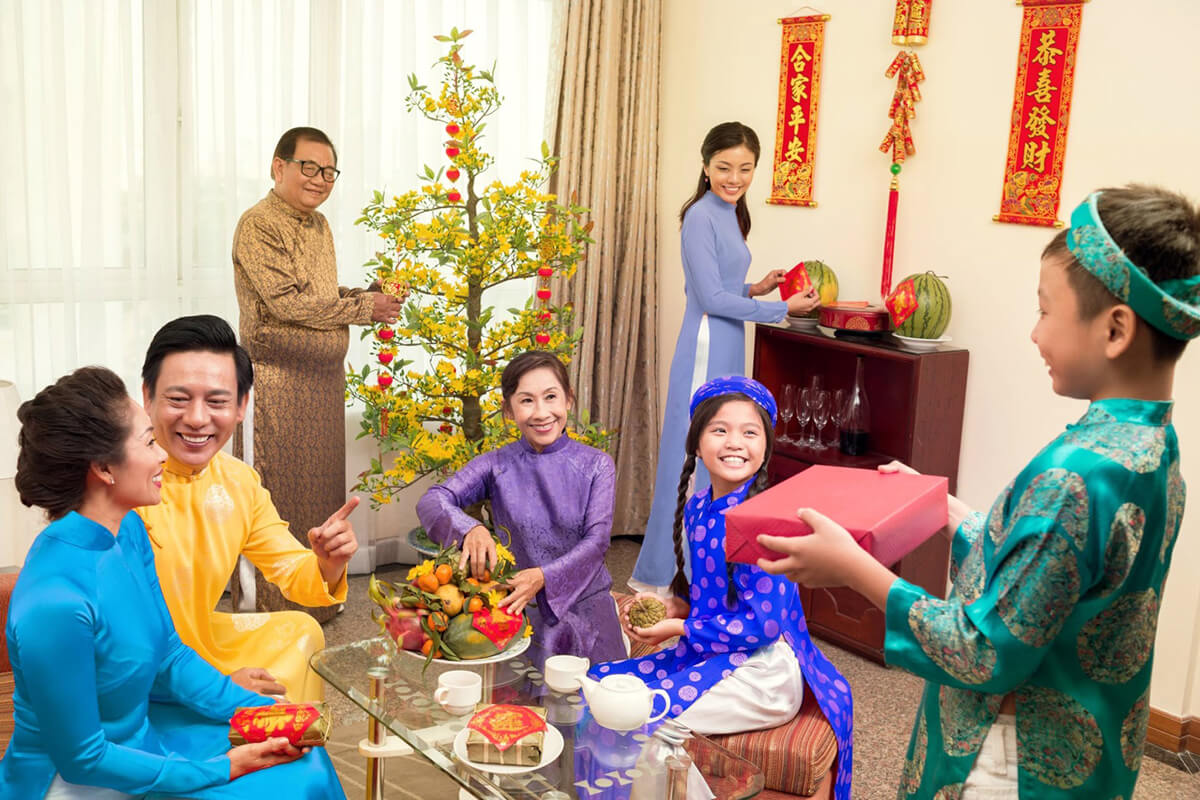
Let’s start at the top. Tet (New Year) is the largest, most celebrated festival in Vietnam; think Thanksgiving, Christmas, and New Year all rolled into one and you’re getting close. Like many of Vietnam’s festivals, during Tet, bustling big cities like Hanoi and Ho Chi Minh City are less crowded as many people travel back to their hometowns to celebrate with family.It is an occasion when everyone sends each other best wishes for a new year, stops thinking about unhappy things and says good things about each other.

On the 23rd day of the twelfth month by lunar calendar, there is a rite to see Tao Quan (Kitchen God) off. The rite to say goodbye to the old year is held on the 30th or 29th day (if that month has only 29 days) of the twelfth month by lunar calendar. The rite to welcome the New Year is held at midnight that day. The rite to see off ancestral souls to return to the other world is often held on the 3rd day of the first month by lunar calendar when the Tet holidays finish and everybody goes back to work.

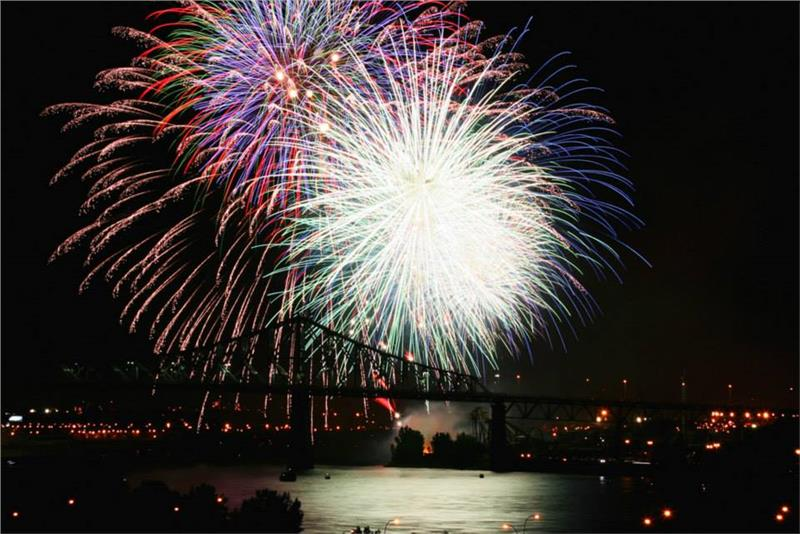
During the day it’s common to see gentle rituals such as the handing out of flowers and lighting candles at the temple. But in the evening celebrations become livelier with fireworks, colourful performances and lots of street food stalls.

If you plan to travel during Tet Holidays in Vietnam, make sure you plan out ahead in details where you will go and what you will need. During this Vietnam holiday, all administrations, many shops and stores are closed in the first three days. So if you need any supplies for your travel in the country, make sure to get it beforehand.

The Tet Festival takes place on the first day of the first month of the Chinese lunar calendar. Relative to the Gregorian calendar, Tet occurs on these dates:

– 2019: February 5

– 2020: January 25

– 2021: February 12

2. Tết Trung Thu (Mid-Autumn Festival)

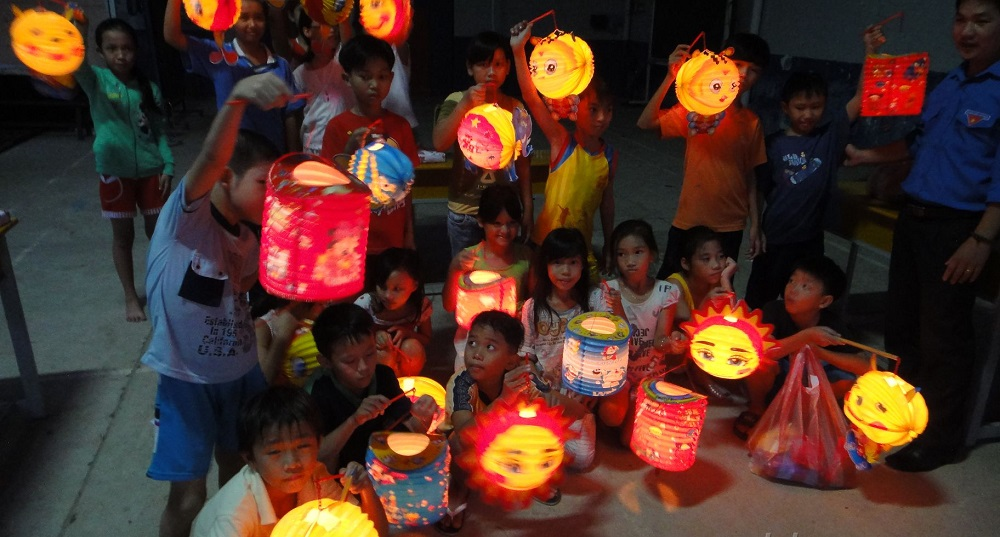
This Vietnam event takes place around mid-August between the fourteenth and fifteenth day of Lunar Calendar. The Mid-Autumn Festival in Vietnam was originally conceived as an opportunity for parents to spend time with their children following the harvest season. As a celebration of children, the streets are normally filled with kids singing and taking part in lantern parades.

The Mid-Autumn Festival is a favorite with children, as the occasion calls for more toys, candies, fruit, and entertainment than any other time of the year. Mid-Autumn parties serve cakes including the banh deo and banh nuong, which are shaped like fish and the moon.

This festival does not affect travelers plan or tours. On the other hand, it add more color to traveler’s experience of beautiful Vietnam, especially in Hoi An. Hoi An is considered to be the best place to mark the Mid-Autumn Festival, where tourists can see colorful paper lanterns lining Thu Bon Riverside. A lot of street performances, lantern processions and art exhibitions will take place during Mid-Autumn Festival.

The Mid-Autumn Festival takes place on the 15th day of the eighth month of the Chinese lunar calendar. Relative to the Gregorian calendar, the festival occurs on these dates:

– 2019: September 13

– 2020: October 1

– 2021: September 6

3. Hung King Temple Festival

This festival celebrates the legendary birth of Vietnam’s first kings: the Hung Vuong. Details of their origin remain sketchy, but the story has become rather embellished over the years. Born from the union of a mountain princess and a sea dragon, the Hung Vuong came from a hundred sons hatched from a hundred eggs laid by said ​princess. Half the sons went back to the sea with their father, while the rest stayed behind with their mother and learned to rule.

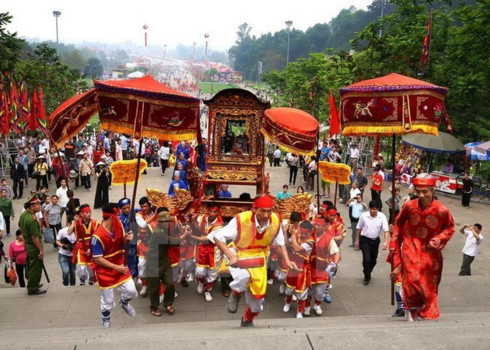
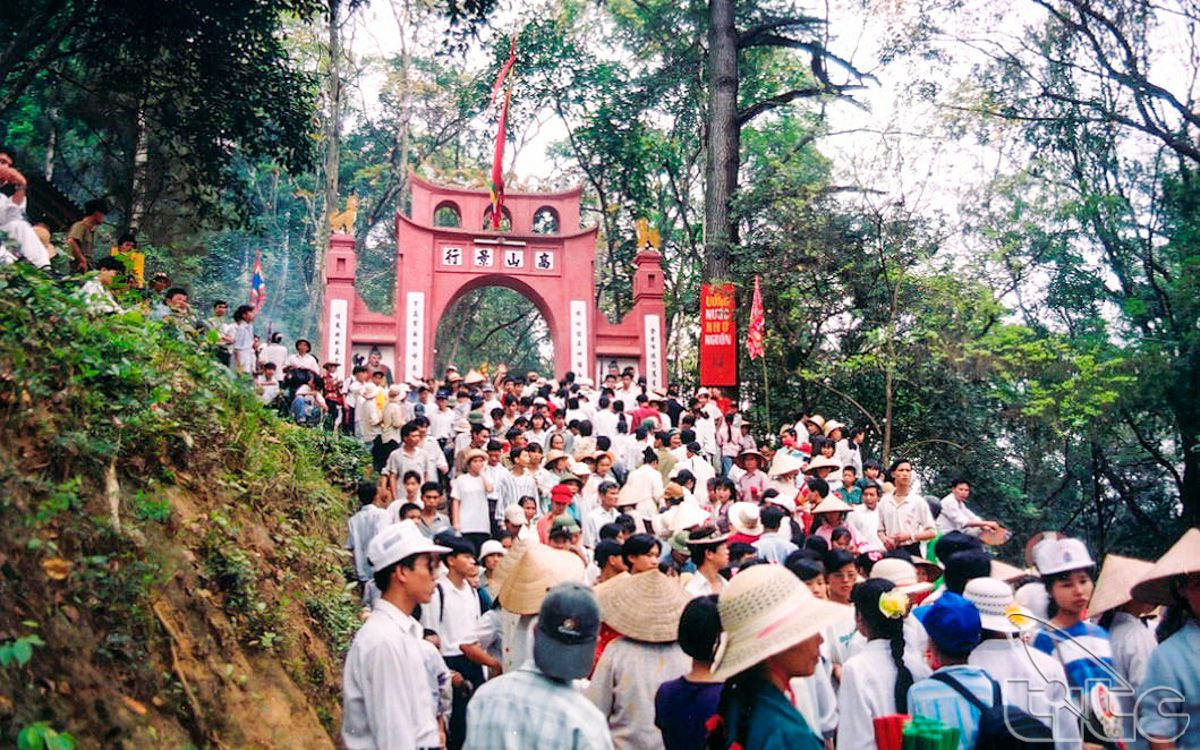
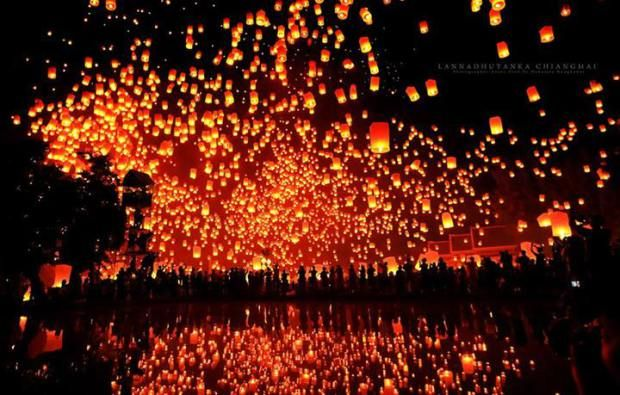
This Vietnam festival is held in thousands of Hung King temple all across the country but the major ceremony is held at Hung Temple, Phong Chau district, Phu Tho province. There are two main parts of the event which are the ceremony and the festival. On the eve of the event, one hundred lanterns are launched into the sky. Travelers can witness many interesting cultural activities during the festival like xoan classical song performances and ca tru classical operas, etc.

Hung Temple Festival not only attracts visitors from all over the country because of its special traditional cultural activities, but it is also a sacred trip back in time to the origins of the Vietnamese nation. People usually show their love and pride of their homeland and ancestral land. This religious belief deeply imbedded in the minds of every Vietnamese citizen, regardless of where they originate.

Since this is also a holiday, many people have this day off so travelers should have their services booked in advance.

This festival is held annually from 8th to 11th day of the third Lunar month. In Gregorian calendar, early April is the right time to celebrate Hung King Temple Festival. Relative to the Gregorian calendar, the festival occurs on these dates:

– 2019: April 14

– 2020: April 2

– 2021: April 21

4. Reunification Day

Reunification Day is a national public holiday of Vietnam, which is celebrated widely in the whole country.

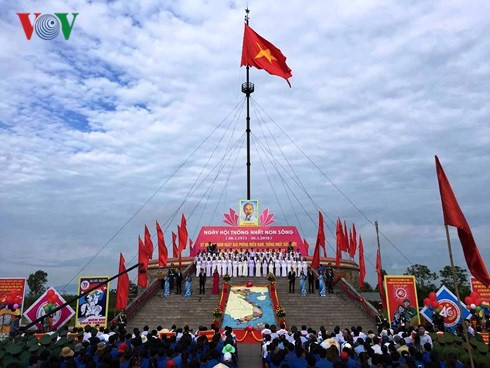
As in any country, Liberation Day is an important historical, political or cultural event and it is the same for Vietnam. This is the Vietnam holiday to celebrate the liberation of Southern Vietnam from American troops as well as when the North and the South of Vietnam reunited under one government.

On this day, Vietnamese locals and families often travel to take advantage of the double-day off with Labor Day on May 1st. Different each year, the major cities of Vietnam will have special events to celebrate this day and service the community (Da Nang’s display of fireworks of international teams, Sapa’s Ethnic group performance and exhibition, Hue City’s film screening and hot air balloon, Ha Noi’s parade and street decoration…).

Many travel destinations and sightseeing will be crowded with domestic tourists. Hotels and restaurants are often overbooked on this day. It is not recommended for foreign tourists to travel in Vietnam during these day. However, if you do want to rejoice with the local as well as people watching, make sure you talk to your local tour operator to make bookings ahead of time.

The holiday takes place on April 30th annually.

5. Independence Day

The same with Reunification Day, Independence Day is a national public holiday of Vietnam, which is celebrated widely in the whole country.

In history, this is the day that president Ho Chi Minh read the Declaration of Independence of Vietnam. Nowadays, this is not only the day to remember the proud moment of the nation, it is also a Vietnam national holiday where workers get a day break from work to rest and spend time with their families.

This festival in Vietnam is the time not recommended for foreign travelers to travel to or travel around in Vietnam unless you already have reservations and bookings. The locals take this day to travel resulting to crowded travel destinations and overbooked hotels and restaurants.

The holiday takes place on September 2nd annually.

6. Hoi An Lantern Festival

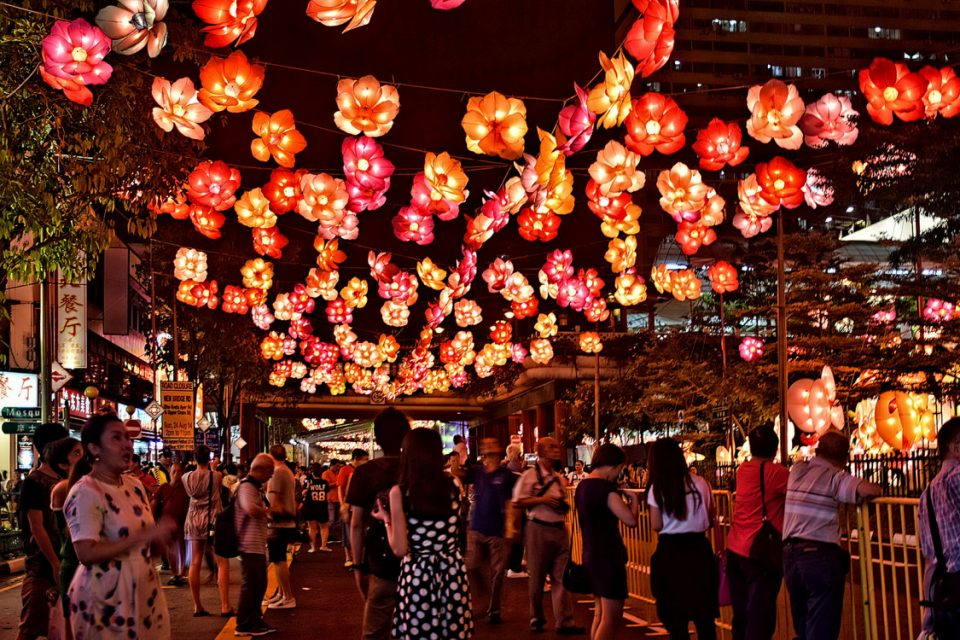
If you want to witness a spectacular display, you should not miss the Hoi An Lantern Festival. It is a lantern festival in Vietnam 2019 that takes place every month, transforming the quaint UNESCO World Heritage Site into an awe-inspiring display of paper lanterns of all shapes, sizes, and colors.

Every 14th day of the lunar month, Hoi An’s old town bans all motorized traffic and transforms itself into a massive performance venue for Vietnamese arts contemporary to the old trading town’s heyday in the 18th to 19th century—Chinese opera, Chinese chess, and of course, the​ ​region’s famous food.​

This charming town is a firm favourite amongst visitors anyway, but when the lights go out, and those twinkly lanterns are sent down the river it’s particularly special. Shops put up brightly-colored lanterns, turning the narrow old streets (even the old Japanese bridge) into a radiant, festively illuminated light spectacle, augmented by the haunting strains of traditional music audible from just about everywhere in the old town.

Just for the night, you won’t be required to buy or show a ticket to enter Hoi An’s old attractions. The temples are at their busiest during the Full Moon Festival, as the locals honor their ancestors during this auspicious time of the month.

This day will not affect transport or hotel in Hoi An. It is really a night to enjoy the charming old town and a piece of Vietnamese culture. If you want to worship in any temple on this day, there will be no charge for entrance fees. The best place to attend the festival is within Ancient Town area where tourists can enjoy traditional music, play Chinese chess, read poetry or learn how to make lanterns.

7. Wandering Soul Day

As a country with a developed Buddhism, this Buddhist celebration is built on the belief that a person’s soul is sent to heaven or hell when they die. On Wandering Souls Day, those sinful souls who find themselves in the latter may return to their mortal homes for absolution.

According to local myth, on this day, the gate of hell will be opened so that souls will be free to wander on the land. On the evening of this day, each household prepares a big feast including flowers, sticky rice cakes, fruits, fake money and paper clothes to offer to the spirits. The locals avoid many activities on this day or month such as wedding, begin of construction, shopping, traveling, etc.

The day before the celebration, families travel to the temples to make offerings of flowers and food for those souls without relatives, and alters are set up in each home with food offerings to guide ancestral spirits home.

This festival in Vietnam has no negative effect on travelers. It can be enjoyed at most in Hue city where locals and monks perform ceremonies and prayers at numerous Buddhist shrines and pagodas.

Wandering Soul Day occurs on 15th day of 7th lunar month. This day often fall into August or September of Gregorian calendar.

8. Lim festival

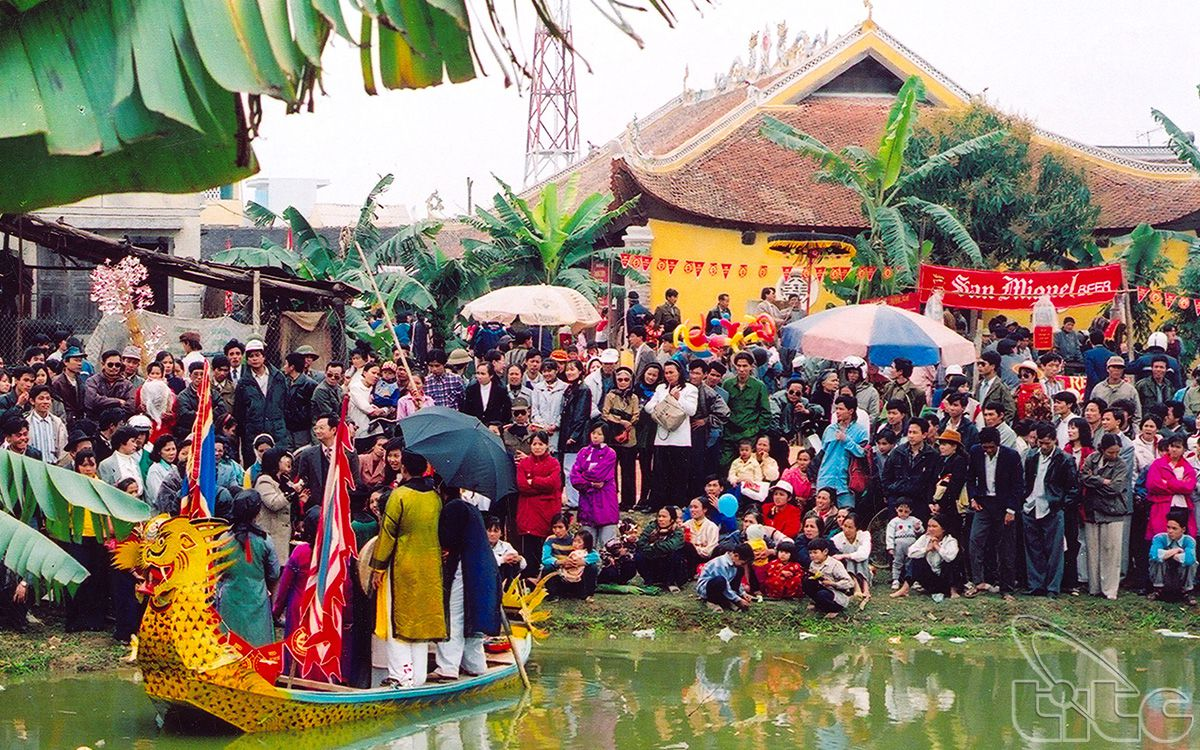
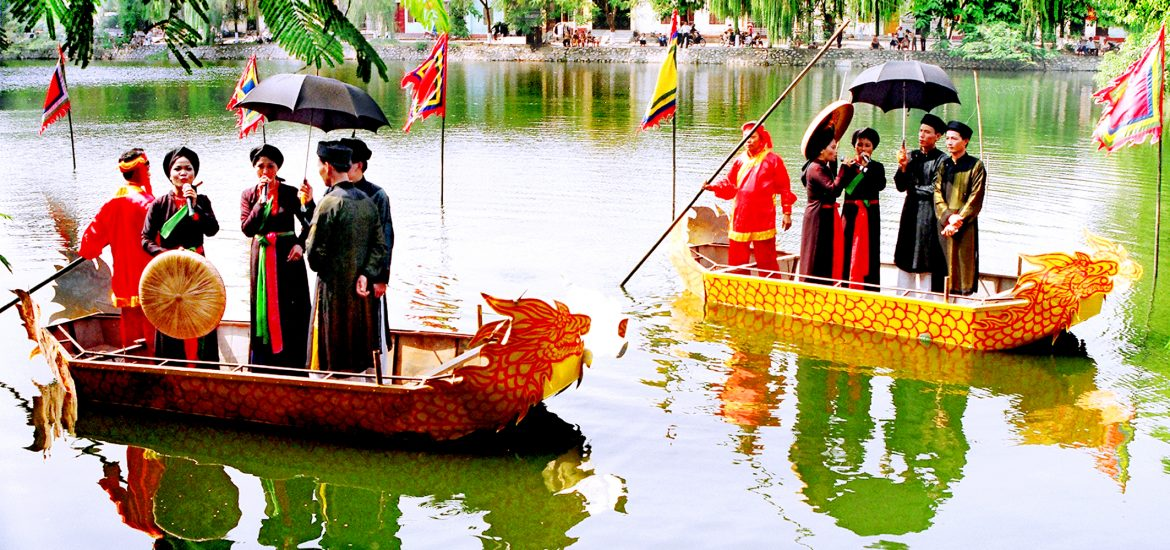
“Quan Họ” is a special folk song of Kinh Bac Province, now called Bac Ninh Province. The festival takes place on Lim Hill where the Lim Pagoda is located. This pagoda is where Mr. Hieu Trung Hau, the man who invented Quan Ho, is worshipped.

Lim Festival was widely recognized and accepted as a traditional Vietnam festival among Northern Provinces of Vietnam in 18th century. It’s the festival of Quan Ho singing, which has become one of UNESCO’s Intangible Cultural Heritage since 2009.

On the 13th day of the first lunar month, visitors come to Lim Hill in Bac Ninh province to watch performances of ​​Quan ​Ho, which are traditional songs performed by both men and women from boats and from the Lim Pagoda. The songs cover numerous topics, such as greetings, exchanging love sentiments, and even trivial objects including village gates.

This Vietnam festival, even though is well-known across the country, is celebrated in Tien Du, Bac Ninh only. Bac Ninh is only 20 minutes’ drive from Hanoi and worth a side trip after exploring the capital’s must-see sights.

The Lim Festival in Vietnam takes place on the 13th day of the first lunar month of the Chinese lunar calendar. Relative to the Gregorian calendar, the festival occurs on these dates:

– 2019: February 17

– 2020: February 6

– 2021: February 15

9. Perfume Pagoda Festival

This Vietnam festival is viewed as a journey to the Buddhist land. According to the myth, this pagoda is the place where one of the Buddhas spent time and was enlightened. The Perfume Pagoda Festival is Vietnam’s most famous Buddhist pilgrimage site, welcoming hundreds of thousands of pilgrims who arrive at the sacred cave to pray for a happy and prosperous year ahead.

When it comes to festival in Vietnam 2019, the Perfume Pagoda Festival is another extremely important one. The Perfume Pagoda is the most famous pilgrimage site in the country that welcomes thousands of pilgrims who make their way to the sacred caves to pray for a happy, and a prosperous year ahead.

Every year, thousands of Buddhist pilgrims travel by boat across the Yen Vi River to the caves of the Huong Tich Mountain. Take on the hundreds of stone steps to the top to see colourful parades, traditional performances, long-practiced rituals and to try local food – fortunately there are plenty of shrines to rest your feet at on the way up.

This event will take place at Perfume Pagoda located in Huong Son Commune, My Duc district, Hanoi on the 15th day of the first month of the Chinese lunar calendar. Relative to the Gregorian calendar, the festival occurs on these dates:

– 2019: February 19

– 2020: February 8

– 2021: February 17

10. Dalat Flower Festival

Being considered as The Little Paris of Vietnam, Dalat is by far one of the most attractive city listed in every tours visiting Vietnam. People choose Dalat their stopping destination mainly to relax and enjoy the peaceful atmosphere together with some romantic and charming places.

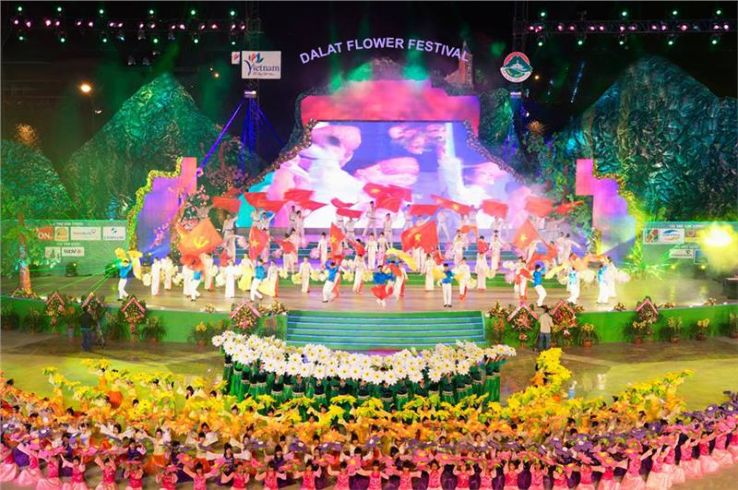
What’s more, Dalat is home to thousands of species of flowers. That’s why it is quite obvious to notice that Dalat Flower Festival is one of the traditional events having branded for the homeland of many hidden charms.

There’s no limit if the Dalat Flower Festival is anything to go by. In previous years, highlights have included a horse and cart, Egyptian sphinx, a giant peacock, and even a temple! Don’t miss the opening ceremony; an array of colourful costumes, fireworks, and spectacular performances.

Dating back to the first held Dalat Flower Festival on 10 – 18 December 2005, it was such an impressively successful event ever with lots of performances of more than 160 kinds of dazzling flower floats, lavish performing art programs and splendid fireworks display.

Generally held in December and lasted for 5 days, the festival will present different themes each year. The festival not only attracts numerous tourists but it is also a meaningful activity honoring values of flowers and flower industry to promote and attract investment.

This article is summarized by Modoho – a trusted agency in Ho Chi Minh city. If you need any help from a local expertise with free searching services (only landlord have to pay) feel free to contact us. Here is some listing for you:
Masteri Thao Dien for rent.

Vinhomes Central Park for rent.

Estella Heights for rent.

Apartment for rent in District 2 (Thao Dien).

Vietnamese Customs And Traditions

If you’re a modern-day traveler who goes out of your way to not feel like a tourist, Vietnam is an exciting destination to consider. But those do not speak the language or understand the customs and traditions that still prevail, encountering with them are often unsettling.

Traditional Vietnamese customs and traditions have been formed time to time for thousands of years. This creates a long-lasting culture. Despite of the domination of Chinese and other powers, Vietnamese people still remains their unique cultural identity.

In the course of development, customs and traditions are indispensable spiritual field in Vietnamese culture. It is the original cultural values of the country strongly that define the identity and the long-lastingness of culture in Vietnam. In the entire history of Vietnam, Vietnamese culture is the combination of native culture, cultural exchange with China, Asian region and western countries.

However, with a firm native culture, Vietnamese people keep their culture away from being assimilation, and “Vietnamizing” those cultural features instead. Vietnam culture is characterized by a series of unique customs and traditions such as worshiping ancestors, chewing betel, and other customs in traditional ceremonies like funeral ceremony, long-life ceremony, etc.

These customs and traditions are associated with community of villages, communes. Vietnam is a country of festivals, especially in spring. There are several famous festivals featuring Vietnamese culture like Tet Nguyen Dan, Tet Nguyen Tieu, Tet Han Thuc, Tet Doan Ngo, Mid-Autumn Festival, etc. Yet, customs and traditions of Vietnamese people vary from region to region, and ethnic group to ethnic group.

Some information that you won’t find in lonely planet and that will help you to gain some insight into our culture. Make sure you read it before visiting Vietnam so that you can easier blend in with the locals and have a memorable trip by discovering other ways of thinking!

1. Ancestor Worship

Since thousands of years ago, Vietnamese people have the custom of worshiping ancestors to commemorate their origin. The custom came into being based on the belief of the soul’s immortality after the death. Worshiping ancestors becomes one of traditional Vietnamese customs, ethical norms, and principles.

Vietnamese believe that the soul of a dead person, even if dead for many generations, still rests along with their descendants on earth. The dead and living persons still have spiritual communion; in everyday life, people must not forget that what they enjoy and how they feel is the same for their dead relatives.

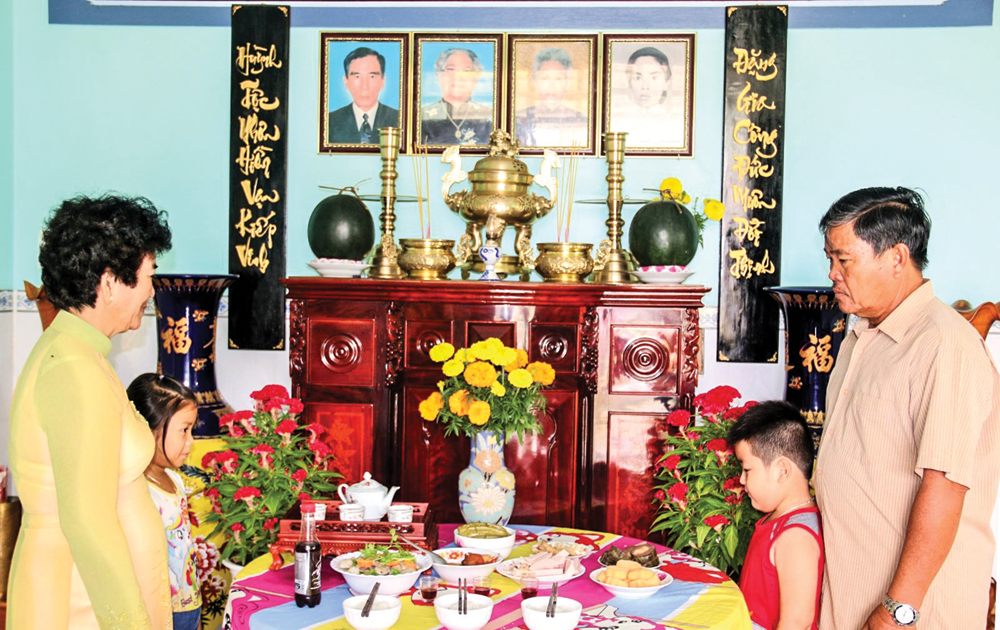
It plays an important role in the religious spiritual life of Vietnamese, especially in the countryside. In each family, there is an ancestor altar situated at the most respectful position. In special occasions, here is the place where family members worship to pray for best wishes. Traditionally, ancestor altar is located in the biggest room of a house with the display of specialized offerings.

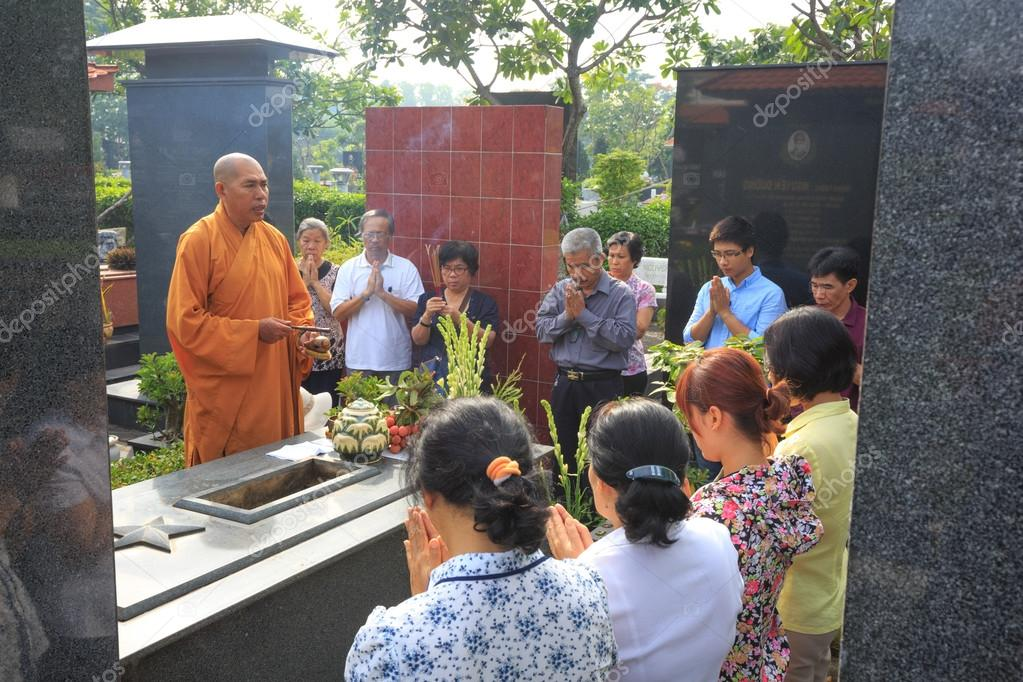
On the last day of every lunar year, an announcing cult, cung tien thuong, is performed to invite the dead forefathers to return home to celebrate Tet holidays with their families. During the last days before Tet, all family members visit their ancestors’ graves; they clean and decorate the graves, in the same manner that the livings clean and decorate their houses to welcome the New Year.

On the anniversary of an ancestor’s death, descendants and relatives unite and prepare a feast to worship the dead people and to ask for health and happiness for themselves. From generation to generation, ancestor worshipping customs have been religiously preserved. There are some small variations between those customs among the many Vietnamese ethnic groups, but the common theme of fidelity and gratitude towards the ancestors

Nowadays, owing to the influence of modern life, few houses have ancient ancestor altars. These altars might be placed on a panel attached to the wall, even on top of cabinet. Over the time, there is a change in ways of worshiping, but the Vietnamese custom remains its meaning.

A very popular belief among Vietnamese is the custom of the ancestor cult. In every household, an ancestor altar is installed in the most solemn location.

2. Burning votive paper

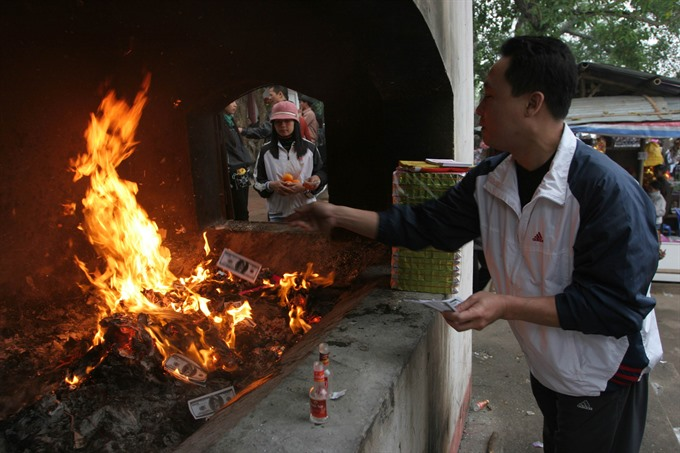
When visiting Vietnam, many are our travellers and friends who wonder “Why Vietnamese people burn colored papers?” This papers are known as “votive papers”, which can be houses, clothes, fake money, cars, motorbikes… made of paper. They represent gifts for the ancestors.

After being burnt, a little wine is sprinkled upon the ashes so that the spirits can ascend to heaven and bring the gifts for the ancestors to use them. This ritual takes place regularly on particular days such as festivals, new and full moon days, yearly ancestors’ death anniversaries or the Lunar New Year.

Burning votive papers in Vietnam is a tradition without being able to determine the origin despite the different explanations. Anyway, when people are dead, family members want the dead to have a better life in another world.

Vietnamese people believe in general that the dead have a life in the Source of Gold. So that the objects in form of paper that the livings offer to the dead are burned. Over time, at the present time, burning the votive paper in Vietnam is gradually becoming a tradition.

This practice originates from the idea that in Vietnam, death is not the end of someone’s life, but just another state. Burnt votive offerings are meant to be sent for the dead to use in the afterlife. Usually, votive items represent valuable objects (money, clothes, houses, cars…). It’s as if the deceased could still enjoy material life in his new state of being. Votive papers actually symbolise the link between life and death.

Votive papers can also be used and burned for the sake of living people or for daily matters like better results to your exams, better revenues for your business, to get rid of some disease or more generally to bring safety, happiness and good luck to your loved ones.

3. Wedding

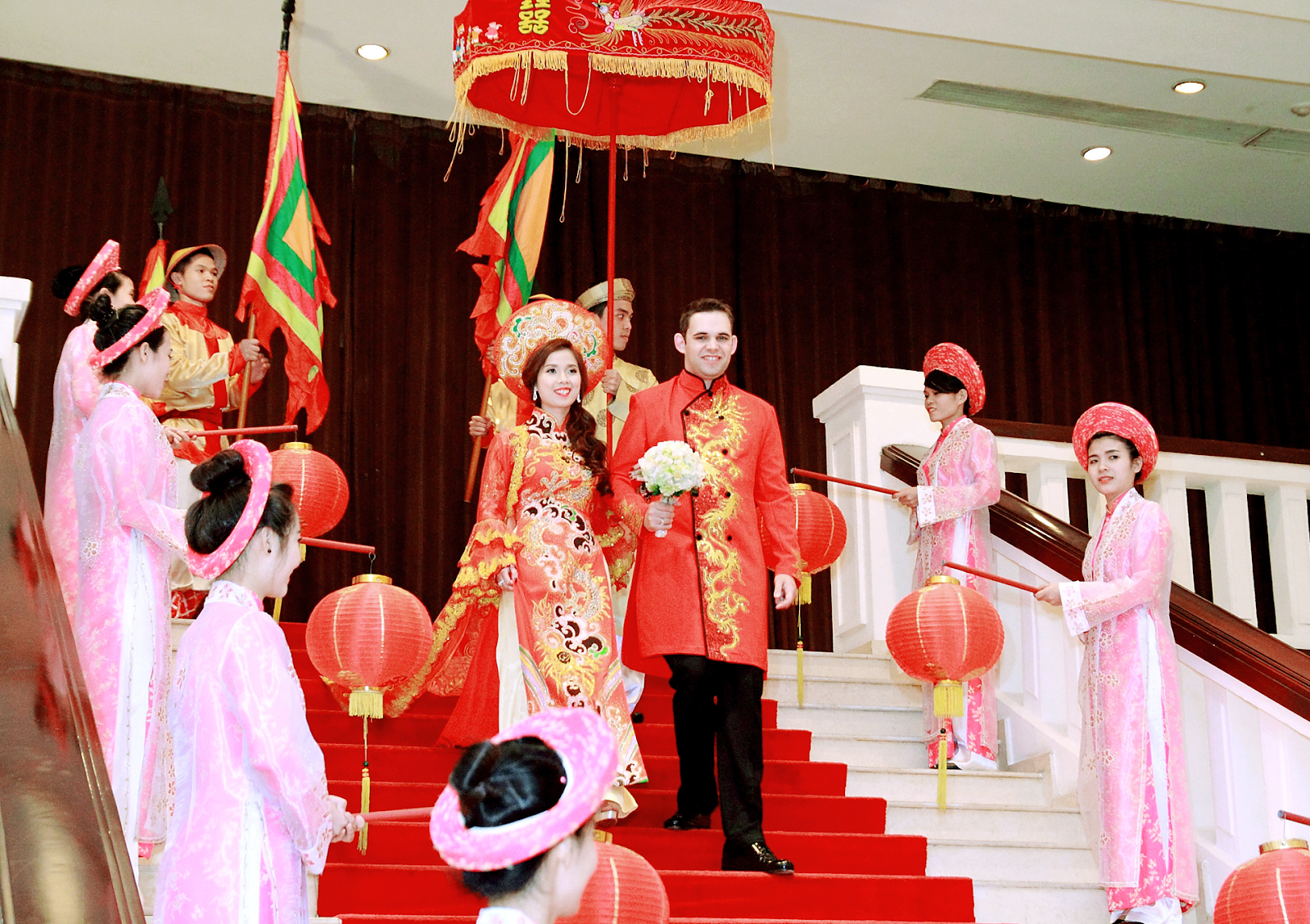
Marriage is one of three most important event in one’s life in Vietnam. Wedding custom in Vietnam is quite complicated. Before an official wedding of a couple, a ceremony of engagement must be held first. In accordance with Vietnamese tradition, engagement ceremony is an official occasion for families of fiancé and fiancée to mark their relationship and to arrange the wedding.

Each family need to prepare a representative who is a family member having a happy life and high-ranking position in the family. In the day of engagement, the representatives of two families will have some announcement about the wedding and exchange gifts.

The time of wedding is chosen suitably based on lunar calendar. Gifts which are put in trays are prepared by the family of fiancé a few days before the engagement ceremony. The number of trays must be an odd number (5, 7, 9, etc.) which is suitable to the condition of the fiancé’s family. In Vietnamese habits, odd numbers are thought to bring luck to the couple. In the trays, there are betel leaves, areca nut fruits, wine, tea, husband-wife and sticky rice. These trays are covered by papers or cloths in red.

Visiting a Vietnamese wedding? Get ready for the rendition of English-language pop songs. It’s both sad and hilarious that traditional Vietnamese songs are rarely played at this occasion. A wedding party will feature songs from Boney M, Modern Talking, Westlife, Backstreet Boys and Michael Learns to Rock songs.

In the wedding day, the couple has to stay apart to avoid unlucky things. The family of bride and guests will wait for the arrival of the bridegroom. Before the groom party is due, the bride slips away to don her wedding dress.

The wedding ceremony starts in front of the ancestor altar. The bride and groom pray and ask for permission of their ancestor to get married, and receive best wishes in their future family. Next, they bow to the bride’s parents to express great thank for raising and protecting her. Then, they bow to each other to show their gratitude and respect.

The master of the wedding ceremony will declare the couple becomes a new family, they take turn to exchange wedding rings, and parents give gifts to the couple. After the marriage, the wedding banquet will be held to introduce the groom and bride to guests who are not invited to the marriage ceremony. Then, the bride will leave for the groom’s house where she will live.

4. Funeral ceremony

“The sense of the dead is that of the final,” says a Vietnamese proverb, meaning that funeral ceremonies must be solemnly organized.

Traditionally, Vietnamese people believe that death is one of the most solemn ceremonies as “The sense of the dead is that of the final”. The funeral ceremony in Vietnam undergoes several steps.

– First, the body will be washed and dressed; then, a pinch of rice and three coins are put in the mouth of the body, then lay chopstick between his teeth. After that, the body is put on the ground with the meaning that “being born from the earth, one must return back to the earth.”

– Next, he is enveloped with white cloth, and put in to the coffin.

– Finally, the master of the funeral officially performs the funeral ceremony. During these days, all family members have to wear coarse gauze turbans and tunics, and hats made of straw, or dry banana fiber.

The deceased person’s sons, daughters, and daughters-in-law had to wear coarse gauze turbans and tunics, and hats made of straw or of dry banana fiber. The deceased person’s grandchildren and relatives also had to wear mourning turbans. During the days when the dead were still laid out at home, the mourning went on with worshipping meals and mourning music. Relatives, neighbors, and friends came to offer their condolences.

The date and time for the funeral procession, le dua tang, must be carefully selected. Relatives, friends, and descendants take part in the funeral procession to accompany the dead along the way to the burial ground. Votive papers were dropped along the way.

Worshiping meals and music are offered to the dead during these days. All relatives, neighbors and friends come to offer their condolences. The funeral procession is conducted. All relatives, friends, and family members join the procession to accompany the dead to the burial ground.

After three days, the there is a ritual of opening the grave. After 49 days, the family stops offering meals for the dead to the altar. 100 days later, the ritual of “the end of the tears” is celebrated. The mourning will end after three years. Nowadays, although mourning ceremonies follow simple rituals, they keep traditional meaning and solemn ceremonies to express their respect to the dead.

These above traditional customs and traditions of Vietnamese people are among the most common ones in all part of the country. Besides, such customs and traditions as chewing betel, celebrating long-live ceremony, and other customs in daily life are expressed colorfully and excitingly. All of them contribute to the unique cultural identities of Vietnamese people.

Nowadays, mourning ceremonies follow new rituals which are simplified; they consist of covering and putting the dead body into the coffin, the funeral procession, the burial of the coffin into the grave, and the visits to the tomb. The deceased person’s family members wear a white turban or a black mourning band.

5. Tet Holiday

The Vietnamese New Year (Tet) takes place from the first day of the first month of the Lunar calendar (around late January or early February) for at least three days. It is a joyful family reunion full of smiles and blessings to express the filial piety, the family bonds and the desire for an coming year full of happiness, prosperity and goodness.

As you can see, Vietnam is not only a country with beautiful beaches, majestic mountains and delicious gastronomy. Throughout Vietnam’s rich and long history, what features prominently is the entire country’s effort to preserve the national identity and the fascinating cultural heritage which has been passed down from generation to generation, obtaining as a result, a sublime fusion between traditional and contemporary values.

Nevertheless, although Vietnam is very proud of its traditions, its people have at the same time one of the most liberal mindsets in Asia. But this is another topic that we will broach soon!

6. Celebrating a baby’s first month

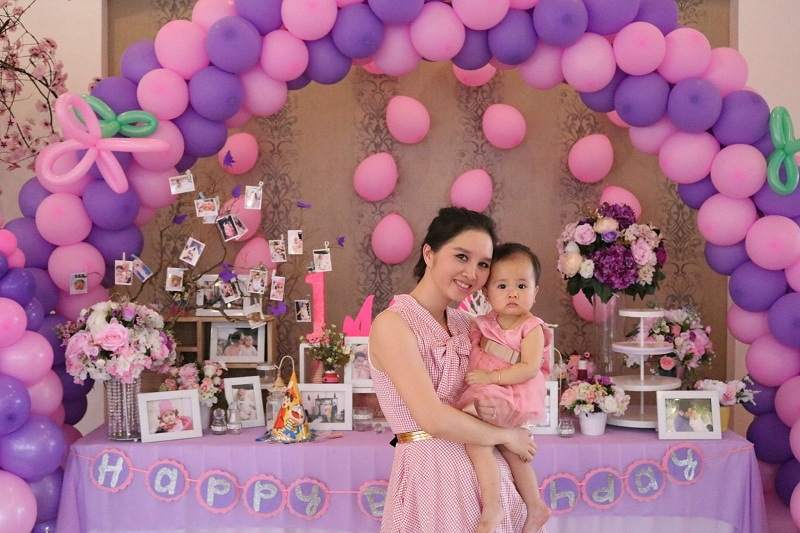
Celebrating a one-month-old baby is like commemorating a president’s first 100 days in office. Additionally, many Vietnamese mothers are expected to rest indoors (and even take no shower) for a month after giving birth. At the celebration, friends and family present mother and child with luck money.

The Vietnamese day thang (full month) party is a tradition that has much in common with the Chinese custom of ‘manyue’. Both celebrate a newborn completing its first full lunar month in the world. This means 28 days for a girl and 29 for a boy. Why the difference? Maybe because baby boys are weaker than baby girls.

I asked some Vietnamese people this question but nobody could give me an answer any more than they could answer why baby girls wear pink and baby boys blue. Anyhow, the point is with infant mortality rates high in the past actually surviving the first month was something to celebrate.

A month also gives a baby some time to build up immunity to germs before being exposed to a lot of people fussing and breathing over them. It is only at the full month party, under Vietnamese tradition, that a baby is given a name, which is announced to the world.

7. God of Wealth Worship in business

According to Vietnamese conception, Than Tai ( God of Wealth) is a sort of “benefactor” to bring fortune into business. In principle, the altar should be placed in a well ventilated position, in a corner of the house or in front of the entrance. That is why you will find a small altar like this one in almost every shop, boutique, restaurant, hotel in Vietnam.

The Vietnamese think that God of Wealth used to be in heaven. Once due to drinking too much, he fell into this world and lost his memory. He started to go begging for daily survival.

Accidentally, he met a nice owner of an eatery and was invited to come and have a hearty meal. The shop was having a very few customers, but when the old man entered, suddenly the visitors came in and out crowdedly. Noticing that, this owner kept the begging man to stay so that the business can be enhanced.

After a while, the old beggar began to remember everything and returned to heaven. The day he flew back to the sky was the 10th day. So that Vietnamese ancestors considered the 10th day each month as the day of the God of Wealth. Moreover, on the 10th day of the first lunar month, people will do the first God of Wealth worship of the year. On this day, the families of business pray for a new year full of fortune and money.

This article is summarized by Modoho – a trusted agency in Ho Chi Minh city. If you need any help from a local expert with free searching services (only landlord have to pay) feel free to contact us. Here is some listing for you:
Masteri Thao Dien for rent.

Vinhomes Central Park for rent.

Estella Heights for rent.

Apartment for rent in District 2 (Thao Dien).

Best Dog Breed For Apartment Living In Saigon

Dogs are not only human best friends but also an incredible creatures. You can just go to Google and search for “dog save human”, almost a billion results will appear in less than a second. It is the best prove for the benefits of having a dog as your pet.

However, if you are living in an apartment, which dog types you should raise is really a matter you have to consider. The dog size can’t be too big, it may be ferocious but intelligence as well in order not to attack your neighbors, or it could be a cute dog that everyone would love it for its beauty, etc.

Friendly Dogs For Family With Small Kids

Although dogs is human best friend, some people said that they are dangerous for children and family with kids shouldn’t let their children near any dogs. There are cases that dogs bite children or even worst, bite children till death

This is a big concern, especially for families having small kids or being pregnancies. However, besides dangerous dogs, there are some dogs that are very friendly towards children. They are prefered all over the world and families which want to teach their children about friendship raise at least one of them at home.

1. Cavalier King Charles Spaniel

These dogs love to cuddle. They will lay on your lap and beg for belly rubs any chance they get. They’re very attached to their owners, so small homes are even better for them. The biggest concern comes with housetraining, as they can be hard to train. But, if you give them plenty of time outdoors and positive reinforcement, they’ll quickly become trustworthy apartment pets.

Vital Stats:

– Dog Breed Group: Companion Dogs

– Height: 1 foot to 1 foot, 1 inch tall at the shoulder

– Weight: 13 to 18 pounds

– Life Span: 9 to 15 years

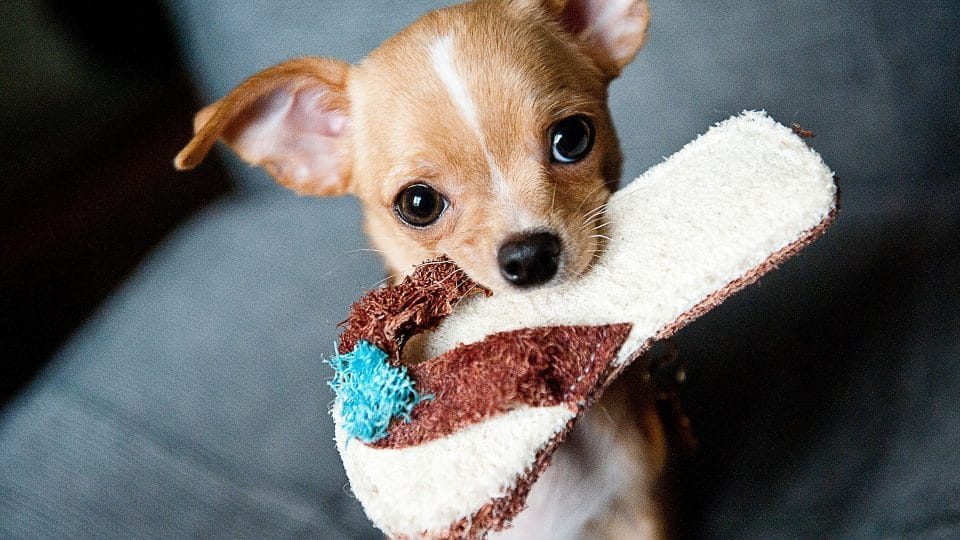
2. Chihuahua

Known for its small size, the Chihuahua makes a great apartment dog. They require minimum exercise and love being close to their owners. Chihuahuas can be untrusting of strangers, so it’s best to carefully supervise them in any social situation.

Vital Stats:

– Dog Breed Group: Companion Dogs

– Height: 6 inches to 9 inches tall at the shoulder

– Weight: 3 to 6 pounds

– Life Span: 10 to 18 years

3. Poodle

Poodles are bred in three sizes: Toy, Miniature, and Standard. Toy and Miniature are a good size for a small apartment, while the Standard size can reach up to 70 pounds. Poodles are intelligent and exceedingly easy to train. Toy and Miniature Poodles have no trouble running of their energy in the apartment, though regular walks are recommended.

Vital Stats:

– Dog Breed Group: Companion Dogs

– Height: From 1 foot, 10 inches tall at the shoulder

– Weight: 45 to 70 pounds

– Life Span: 12 to 15 years

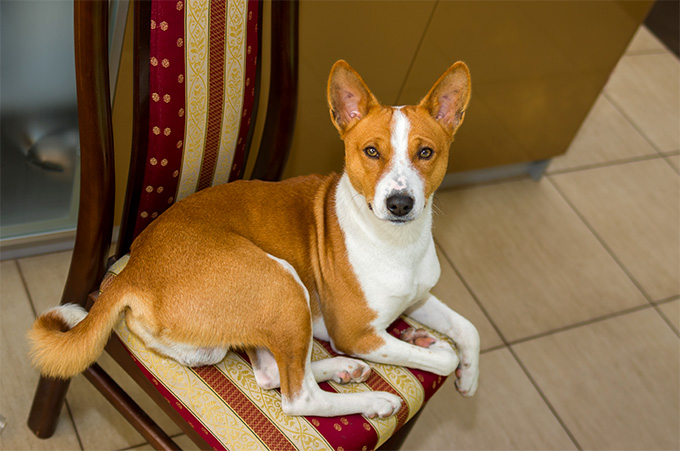
4. Basenji

The Basenji is a great option when you have close neighbors and thin walls. This barkless dog rarely gets taller than 18 inches or over 25 pounds. But beware, when left unattended for long periods of time, the Basenji can be a mischievous companion.

Vital Stats:

– Dog Breed Group: Hound Dogs

– Height: 1 foot, 4 inches to 1 foot, 5 inches tall at the shoulder

– Weight: 22 to 24 pounds

– Life Span: 10 to 12 years

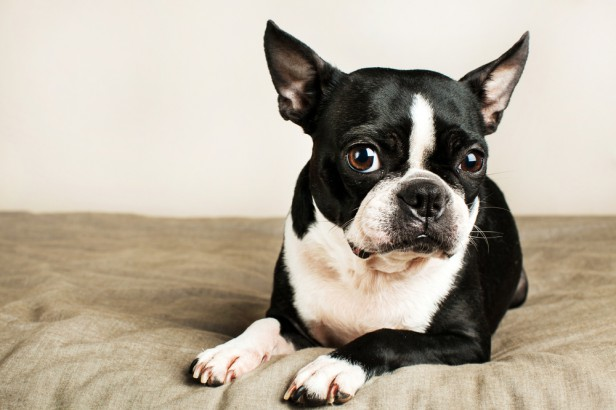
5. Boston Terrier

Another breed ideal because of their size, the Boston Terrier rarely grows taller than a foot and a half. These dogs can be particularly hyper, so they need daily, brisk walks to stay happy. But if you can keep them well-exercised, you’ll find these American Gentlemen to be wonderful, gentle, affectionate pets.

Vital Stats:

– Dog Breed Group: Companion Dogs

– Height: 1 foot to 1 foot, 3 inches tall at the shoulder

– Weight: 10 to 25 pounds

– Life Span: 13 to 15 years

6. Chinese Crested

The Chinese Crested is a remarkably laid back breed. These dogs make the perfect companion for a lower energy—even bedridden—owner. Their ability to lay in bed for hours, coupled with their small size, makes them the perfect low-maintenance apartment dweller.

Vital Stats:

– Dog Breed Group: Companion Dogs

– Height: 11 inches to 1 foot, 1 inch tall at the shoulder

– Weight: Up to 12 pounds

– Life Span: 10 to 14 years

7. Coton de Tulear

Cotons are happy-go-lucky dogs that are well-fit for living in small apartments. They are small in size, have easy to care for coats, exceedingly friendly with humans and other animals, and low exercise needs. The Coton loves to play fetch and go for walks, but won’t suffer from being inside for a day either.

Vital Stats:

– Dog Breed Group: Companion Dogs

– Height: 8 inches to 1 foot tall at the shoulder

– Weight: 8 to 13 pounds

– Life Span: Starts at 14 years

8. Dachshund

Dachshunds are the smallest of the hound dogs. (You probably know them for their tiny legs!) These are cute, lively dogs that often bring joy from their appearance alone. Their short legs allow them to be exercised entirely indoors, if needed.

Vital Stats:

– Dog Breed Group: Hound Dogs

– Height: 8 inches to 9 inches tall at the shoulder

– Weight: 16 to 32 pounds

– Life Span: 12 to 15 years

9. Greyhound

Number thirteen on our list may surprise… Greyhounds, though traditionally known for their high energy and lanky legs, make surprisingly great small home pets. Their energy needs are well-satisfied with a daily brisk walk and their friendly, calm nature makes them a great choice even for smaller apartments.

Vital Stats:

– Dog Breed Group: Hound Dogs

– Height: 2 feet, 1 inch to 2 feet, 6 inches tall at the shoulder

– Weight: 50 to 85 pounds

– Life Span: 12 to 15 years

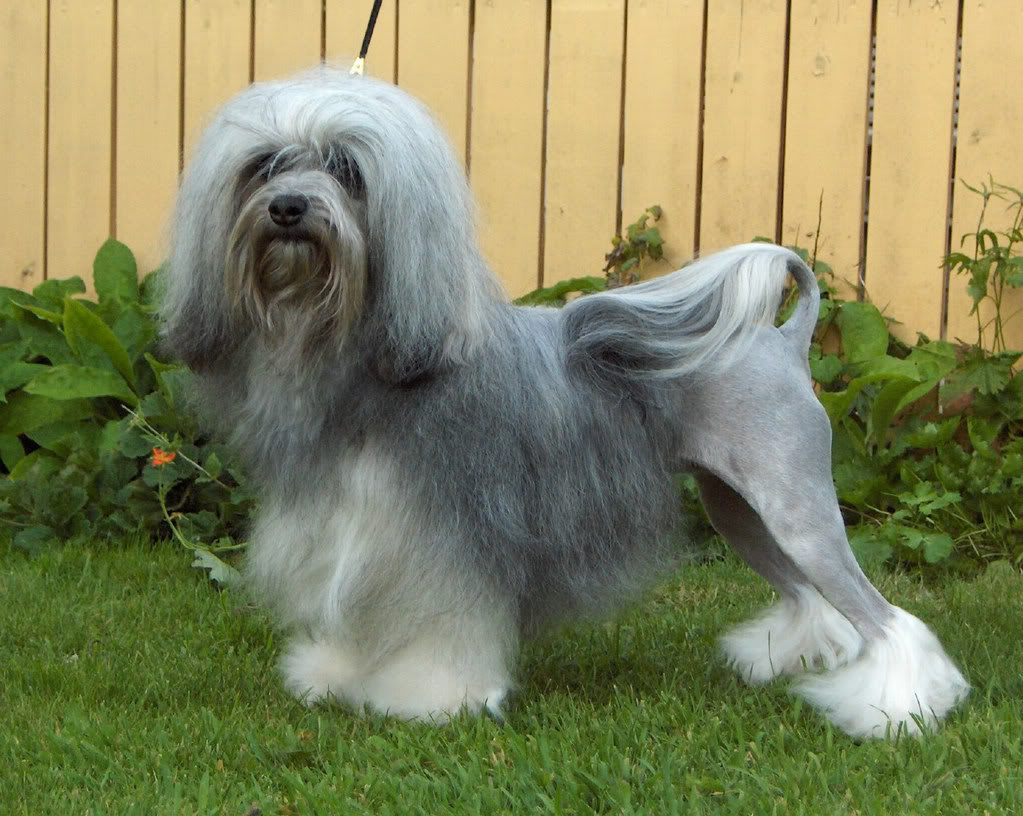
10. Lowchen

The Lowchen are a playful, gentle breed. They are a toy breed, making their overall stature compact. Lowchen make affectionate pets who love to play and roughhouse, but do not have high exercise needs. They get along well with other animals and, with proper socialization, are friendly towards all humans, too.

Vital Stats:

– Dog Breed Group: Companion Dogs

– Height: 1 foot to 1 foot, 2 inches tall at the shoulder

– Weight: 9 to 18 pounds

– Life Span: 13 to 15 years

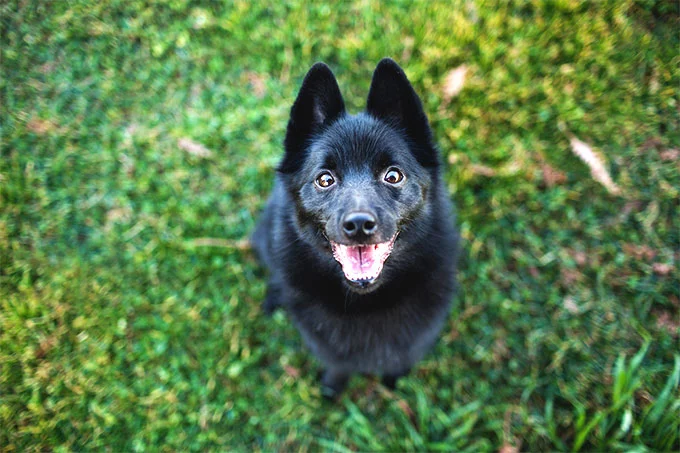
11. Schipperke

The Schipperke is a small breed with a big personality. They are easy to train and do best when they always have a task. While not overly energetic, these dogs do need to be entertained. Their coats are easy to care for with regular brushing and they are not known to be a loud breed. All of that, along with their compact size, makes them a good option for small living spaces.

Vital Stats:

– Dog Breed Group: Companion Dogs

– Height: 10 inches to 1 foot, 3 inches tall at the shoulder

– Weight: 11 to 18 pounds

– Life Span: 13 to 15 years

Active dog breed that can revitalize you no matter how struggling you are

If you are a single person wants to find a companion, dogs are your best option. They are not only human best friend but also a happiness in life for single people. In many countries, some people who don’t want to get marriage live with their dogs for their entire life. Many interesting and touching stories about friendship between human and dogs have been told around the world.

On the other hand, dogs can help single people to get a real relationship. There are many reasons to be a single person such as too young to have a boyfriend or girlfriend, too busy on spending time on your career, etc. But no matter what is your reason, raising a dog as your companion is a great choice. Especially, if you have an active dogs, you can take it for a walk and make new friends, create new relationship and reach your ultimate goal, get rid of your single status.

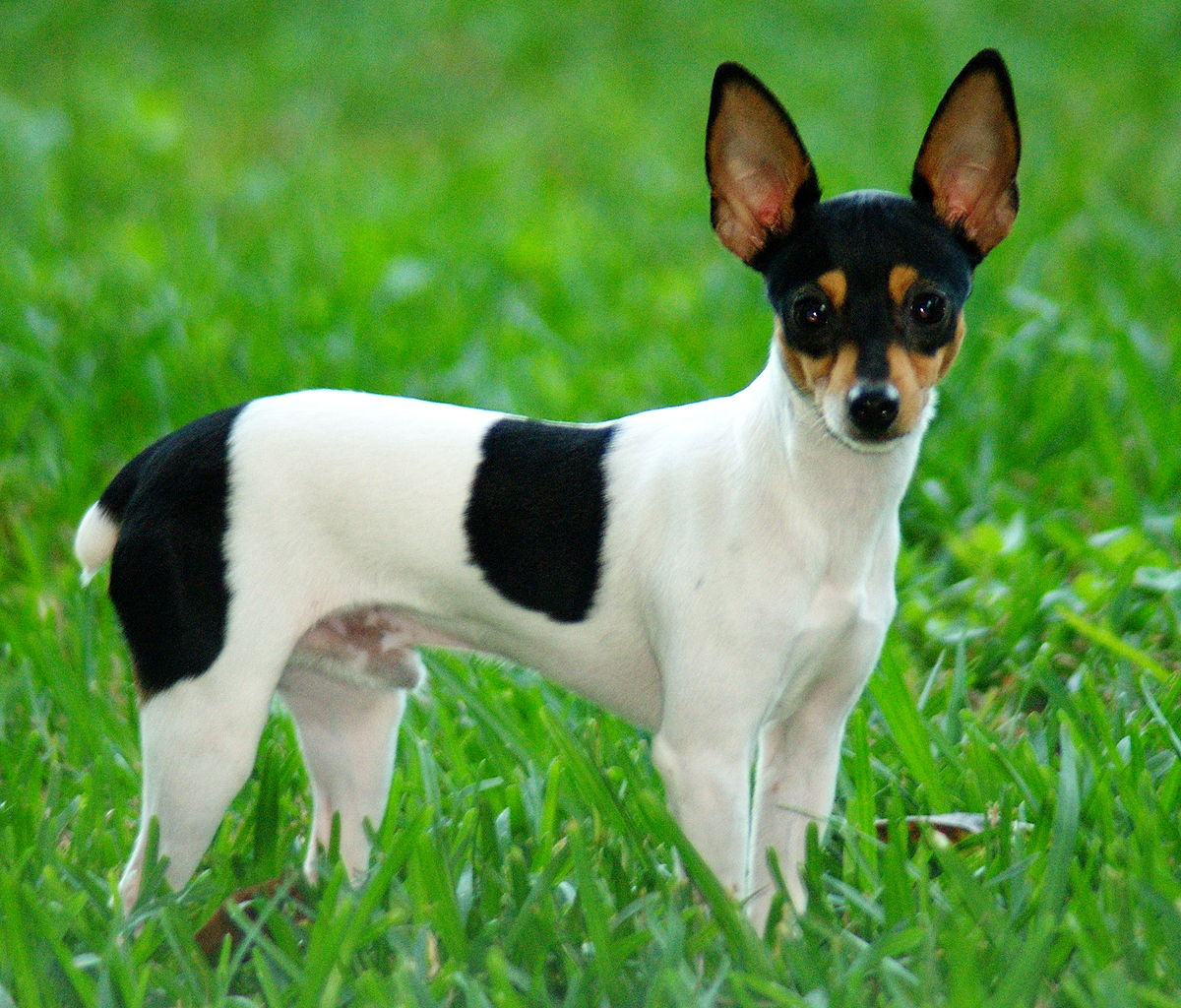
1. Toy Fox Terrier

The Toy Fox Terriers are intelligent and easy to train. They’re a toy breed, making them a good size for even the tiniest of apartments. A Toy Fox Terrier makes a great companion who would love to curl up and cuddle. Personality is important here, as some Toy Fox Terriers will require more exercise than others.

Vital Stats:

– Dog Breed Group: Companion Dogs

– Height: 8 inches to 11 inches tall at the shoulder

– Weight: 3 to 7 pounds

– Life Span: 13 to 14 years

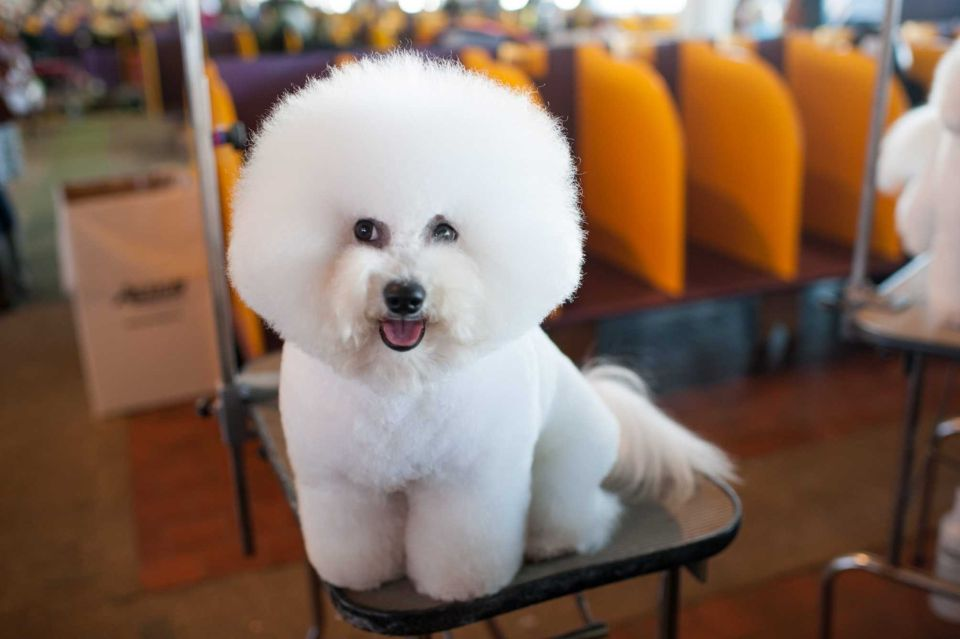
2. Bichon Frise

Even at their largest, the Bichon Frise (BEE-shawn FREE-say) won’t get taller than a foot. These little furballs are energetic, which means they love to play, but also need daily exercise. Bichons also shed less than similar breeds, making them ideal to leave with in close quarters or for people with allergies.

Vital Stats:

– Dog Breed Group: Companion Dogs

– Height: 9 inches to 11 inches tall at the shoulder

– Weight: 7 to 12 pounds

– Life Span: 12 to 15 years

3. Manchester Terrier

The Manchester Terrier is a very intelligent, responsive breed who is easily trained to apartment living. Their miniature size makes them ideal for even the tightest living quarters. This is another breed that does best with an owner who is home often; if left alone, they can become destructive and bark incessantly.

Vital Stats:

– Dog Breed Group: Terrier Dogs

– Height: 1 foot, 3 inches to 1 foot, 4 inches tall at the shoulder

– Weight: 12 to 22 pounds

– Life Span: 14 to 16 years

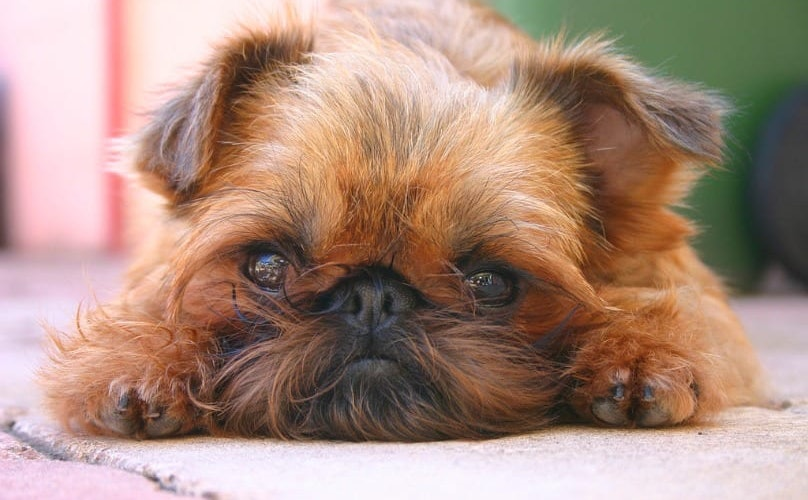
4. Brussels Griffon

The Brussels Griffon is a lively, sturdy, small breed. They are highly affectionate and bond quickly with their owners. They love to snuggle, which might be a necessity, depending on just how small your apartment is!

Vital Stats:

– Dog Breed Group: Companion Dogs

– Height: 7 inches to 8 inches tall at the shoulder

– Weight: 7 to 12 pounds

– Life Span: 12 to 15 years

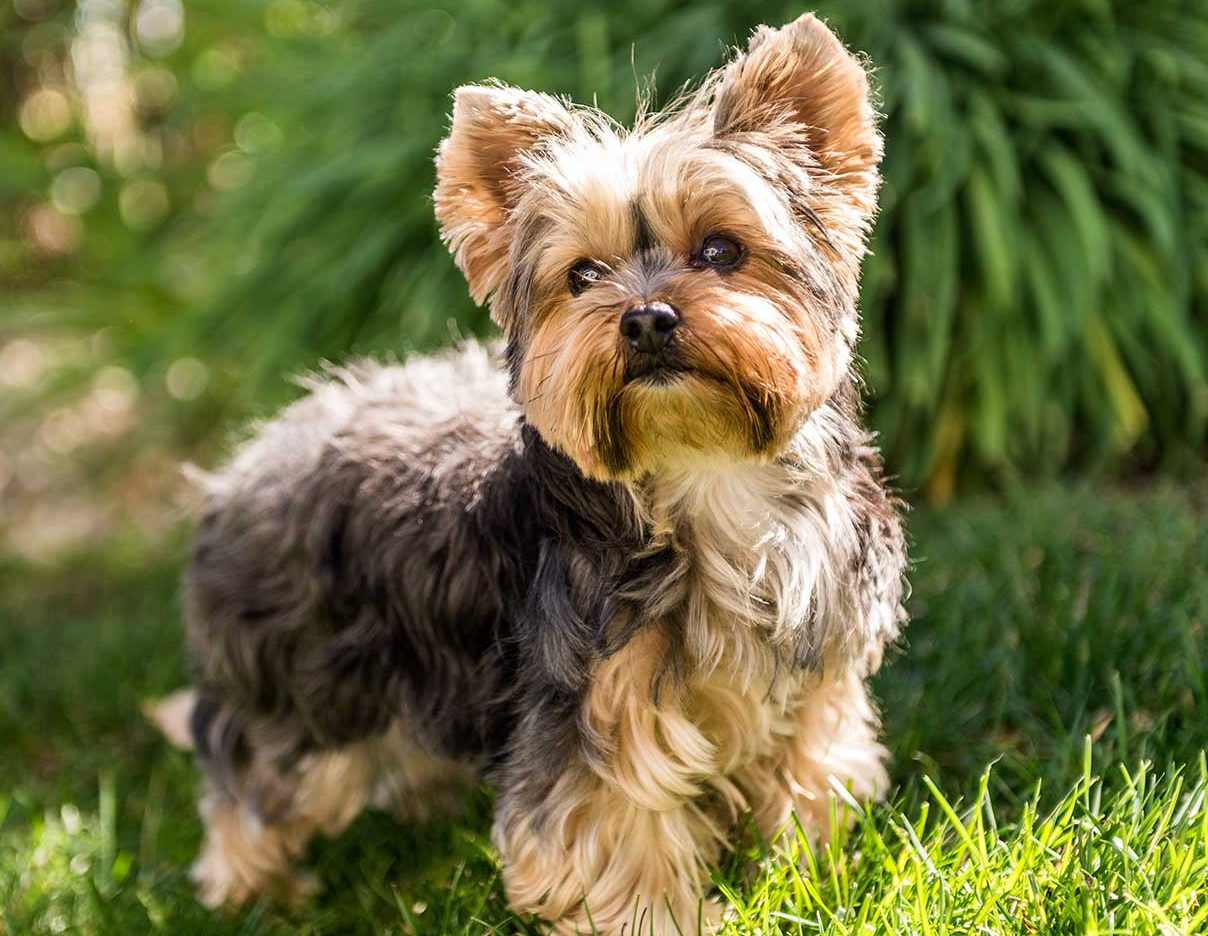
5. Yorkshire Terrier

Commonly known as the Yorkie, these affectionate dogs can make great apartment pets. They’re small and can be exercised easily indoors. The biggest challenge will come from their inherent “yappiness” and distrust of strangers, though this can be avoided with good training and socialization early on.

Vital Stats:

– Dog Breed Group: Companion Dogs

– Height: 8 inches to 9 inches tall at the shoulder

– Weight: 4 to 6 pounds

– Life Span: 12 to 15 years

6. Miniature Pinscher

With an appearance like a tiny Doberman, the Miniature Pinscher is as confident as he is energetic. They make great watch dogs because they are suspicious of strangers. The Mini Pin’s small size makes him good for apartments, but this breed may not do well with small children, and must be socialized early with other pets.

Vital Stats:

– Dog Breed Group: Companion Dogs

– Height: 10 inches to 1 foot tall at the shoulder

– Weight: 8 to 11 pounds

– Life Span: 10 to 14 years

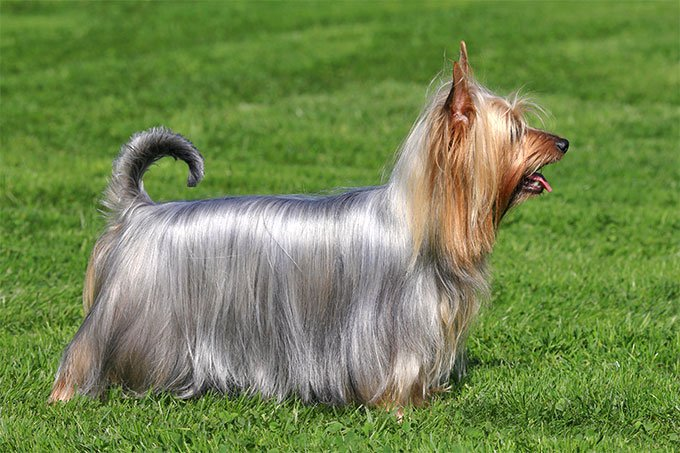
7. Silky Terrier

Another small dog with a big personality, the Silky Terrier is a loyal dog who bonds quickly with his owners. He’ll fit nicely into any apartment with his small size, though his barking could be an issue (basic training should take care of that, though). These dogs are full of energy, so they need daily walks to be happy in an apartment environment.

Vital Stats:

– Dog Breed Group: Companion Dogs

– Height: 9 inches to 10 inches tall at the shoulder

– Weight: 8 to 10 pounds

– Life Span: 12 to 15 years

Other well-known dog breed

There are thousand more dog breeds to mention but I just summarize the list of those dogs usually raised in apartment living.

1. Shiba Inu

The Shiba Inu is a dog known for his independence. Averaging around 20 pounds, it is a medium-sized breed that will do well indoors. However, the Shiba needs rigorous, daily exercise, so they are best suited to owners who already live an active lifestyle. Shiba Inus are best for skilled dog owners who are ready for this unique, fantastic breed.

Vital Stats:

– Dog Breed Group: Companion Dogs

– Height: 1 foot, 1 inch to 1 foot, 5 inches tall at the shoulder

– Weight: 17 to 23 pounds

– Life Span: 12 to 16 years

2. Bulldog

The Bulldog is perhaps most well-known for his laziness, making them a perfect dog for apartments. A short walk is all these guys need to keep them happy. Otherwise, they’re content to just laze around and snooze. They’re an incredibly gentle dog breed and rarely get taller than a 18 inches high.

Vital Stats:

– Dog Breed Group: Companion Dogs

– Height: 1 foot to 1 foot, 3 inches tall at the shoulder

– Weight: 40 to 50 pounds

– Life Span: 8 to 12 years

3. Pug

Recognizable for their squished faces, Pugs are playful and loyal pets. They need to be close to their owners as much as possible and do not do well alone. Pugs are not generally “yappy” dogs, which means that no special training is needed to keep your neighbors happy. Due to their inactivity, quietness, and size, Pugs make a good pet for apartments of any size.

Vital Stats:

– Dog Breed Group: Companion Dogs

– Height: 10 inches to 1 foot, 2 inches tall at the shoulder

– Weight: 14 to 18 pounds

– Life Span: 12 to 15 years

4. French Bulldog

French Bulldogs were originally bred in England to be miniature bulldogs. Their compact size and low activity needs made them good apartment dogs. Frenchies love to play and thrive on human contact. They also make great watchdogs, because they rarely bark without reason.

Vital Stats:

– Dog Breed Group: Companion Dogs

– Height: 11 inches to 1 foot tall at the shoulder

– Weight: 16 to 28 pounds

– Life Span: 11 to 14 years

5. Japanese Chin

The Japanese Chin is a highly agile breed that makes a great indoor companion. Known for their catlike propensity for scaling tall furniture, the Chin can adapt to any living situation. Despite their elegant coats, the Chin needs little more than a weekly brushing to maintain. Their size, friendliness, and low-exercise needs make them great for apartment dwellers with less active lifestyles.

Vital Stats:

– Dog Breed Group: Companion Dogs

– Height: 8 inches to 11 inches tall at the shoulder

– Weight: 4 to 9 pounds

– Life Span: 10 to 14 years

6. Lhasa Apso

The Lhasa Apso thinks his a large dog, but lucky for your apartment they rarely grow taller than a foot. Early socialization and training are needed to bring out the best in this friendly, loyal breed. Unlike the Japanese Chin above, the Lhasa dogs have coats that require daily brushing and frequent bathing.

Vital Stats:

– Dog Breed Group: Companion Dogs

– Height: 9 inches to 11 inches tall at the shoulder

– Weight: 12 to 15 pounds

– Life Span: 12 to 15 years

7. Maltese

The Maltese has been a highly-regarded companion dog for 2,000 years. Because they have no undercoat, the Maltese are not shedders, which may be ideal if you have to live in close quarters with them. They are an affectionate breed, but frequently suffer from separation anxiety, so they are best suited for homebody type owners.

Vital Stats:

– Dog Breed Group: Companion Dogs

– Height: 8 inches to 10 inches tall at the shoulder

– Weight: Up to 7 pounds

– Life Span: 12 to 15 years

8. Pekinese

The companion choice of the Chinese royal courts, the Pekinese require plenty of attention and affection. They will bark at strangers, so early training is a must. The Pekinese is best as the only dog in a household, though they can be socialized to accept other pets. They make great apartment pets due to their size and affectionate nature.

Vital Stats:

– Dog Breed Group: Companion Dogs

– Height: 6 inches to 9 inches tall at the shoulder

– Weight: 7 to 14 pounds

– Life Span: 12 to 15 years

9. Pomeranian

This feisty breed is a ball full of furry energy. They are not an overly dependent breed, so they make a good pet for someone who spends time out of the house. They need daily walks to work of their energy and weekly brushings. They’re also barkers, so early training is necessary to teach them when it’s appropriate.

Vital Stats:

– Dog Breed Group: Companion Dogs

– Height: 7 inches to 1 foot tall at the shoulder

– Weight: 3 to 7 pounds

– Life Span: 12 to 16 years

10. Shih Tzu

The Shih Tzu was bred to be a friendly lapdog. They make great companions, as they are affectionate and calm. A Shih Tzu will fit in to any living environment. They are friendly to owners, strangers, other pets, and even children (as long as they are gentle). This dog was practically bred to be the perfect apartment companion.

Vital Stats:

– Dog Breed Group: Companion Dogs

– Height: 9 inches to 10 inches tall at the shoulder

– Weight: 9 to 16 pounds

– Life Span: 10 to 16 years

As always, it’s important to remember that every dog is an individual. While every breed has a general personality and disposition, there will always be variations. Do your research carefully and be sure to pick a pet that will fit your home, lifestyle, and personality.

Which breed do you think makes the perfect apartment dog? Let us know in the comments below!

This article is summarized by Modoho – a trusted agency in Ho Chi Minh city. If you need any help from a local expert with free searching services (only landlord have to pay) feel free to contact us. Here is some listing for you:
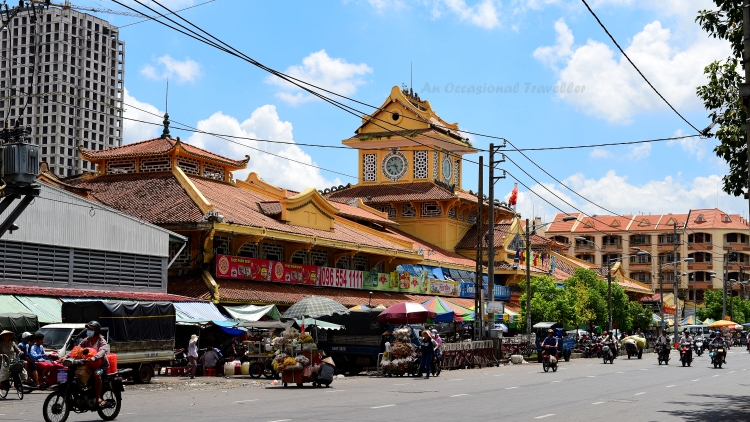
Masteri Thao Dien for rent.

Vinhomes Central Park for rent.

Estella Heights for rent.

Apartment for rent in District 2 (Thao Dien).

Buying Property in Vietnam as a Foreigner

There is a common misconception that foreign citizens or companies cannot own property in Vietnam. In reality, it is possible. However, there are certain conditions that you need to bear in mind when buying property in Vietnam.

We have put together this guide to shed light on ways how foreign investors can obtain property in Vietnam.
 

Vietnam’s new law to foreign ownership of property

Below, I’ve summarized the most important information to take note of the new law:

– Foreigners can buy properties by simply possessing a tourist visa

– There’s no cap to the amount of properties you can buy

– Foreigners are restricted to buying a maximum of 30% of the units in condominiums and cannot own more than 10% of the properties in a landed project

– Foreigners can now buy houses, but only 250 of the houses in a given ward (division). To read more about the districts and wards in Saigon, I recommend you to check this wiki-page

– The leasehold period is still 50 years, but can be renewed

– If you have a Vietnamese spouse, you can get a freehold tenure

buy-property-vietnam

See more:Top 6 Best Apartments For Sale In Ho Chi Minh – SPA For Foreigners (Part 1 – District 2)


Who can lease land in Vietnam?

Citizens of Vietnam, local organizations or foreign-owned companies can purchase the right to use land and to build on it.

The length of a lease agreement that allows you to use land in Vietnam depends on the government. In general, the maximum length is 50 years, and it is also possible to renew the agreement for another 50 years.
 

Can foreigners buy property from Vietnamese people?

Foreigners often buy property directly from developers on the primary market, or from foreigners that previously bought property on the primary market.

There are restrictions on the secondary market as you can’t buy property from local citizens in case the foreign quota is already filled (30%).

vung-tau

See moreApartment For Sale In Ho Chi Minh City

Vietnam ownership certificates of property

When you purchase a property from a developer, it’s important that you receive an ownership certificate. In 2017, foreigners had issues getting their property ownership certificates, this understandably caused some frustration.

So why did this happen?

According to law, foreigners cannot own properties in areas that are reserved to protect the national defense and security.

And it’s up to the Ministry of National Defense and the Ministry of Public Security to decide whether a property is located in an area that is reserved to protect the national and security.

I cannot stress the importance that you make sure that your prospective property can be owned by you as a foreigner, and confirm, prior to the purchase, that you will be able to receive the ownership certificate.
 

The pink book

The ownership certificate is often referred to as the pink book. The name comes from the small pink book that you should receive after you purchased a property.

The book shows your ownership and rights of your property. It will give you right to lease your property and declare information regarding inheritance, for example.

Shortly speaking, pink books are used for the title to verify the ownership of properties.

The red book

There’s also a red book that’s been used for a longer time than the pink book. The red book is used for the title to ownership of land, instead of physical structures, like houses and condos.

Thus, the pink book is more common for foreigners that normally invest in properties like condos, which are less regulated.
 

Do I need to receive the pink book when buying property in Vietnam?

Shortly speaking, the pink book is used for the title to ownership of property. Even if an SPA (Sales and Purchase Agreement) can be used to prove that you bought the property, the strongest evidence of ownership is to have both of them.

Remember:

– The pink book is considerably the strongest proof of ownership, though it’s not a legal requirement to have one

– The SPA (Sales and Purchase Agreement) is equally, if not more, important

– You can face more difficulties to sell your property without having the pink book

What does the pink book include?

The pink book declares that you can:

– Use your house for residential and other purposes

– Demolish, maintain, renovate or rebuild your house, if complying with the conditions and procedures of Laws on construction

– Do transactions when selling, mortgaging or leasing the property

Process when buying property in Vietnam

Before you decide to invest in Vietnam, you need to understand the buying process. You don’t want any surprises or unknown fees to come up later in the process.

Below, I have made a list of important items you need to consider during the buying process.
 

1. Paying for a property in Vietnam

vietnamese-dong

This is the initial step of the process, and an important one. Do you plan to pay with cash assets, housing loan or a combination of both?

In Vietnam, it was previously common that locals paid with real gold, due to the volatility in VND (Vietnamese Dong). This is not the case anymore though.

Nowadays, transactions are normally made in VND (USD can’t be used when buying property in Vietnam).

2. Why do you plan to buy?

You also need to ask yourself why you want to invest in Vietnam.

If you look for high appreciations, developing areas in Ho Chi Minh City can be a good choice, as it’s currently attracting a lot of foreign companies, expats and wealthy locals.

If you look for a beach side resort, Da Nang or Nha Trang could be better choices. Da Nang has experienced great increases in housing prices recently and gets heavily developed.

Later in this article, I will explain more about interesting places for property investments. You can also read my separate articles that list new upcoming property projects for sale in Ho Chi Minh City, and other cities.

See more: View apartment list for sale in Vietnam


3. Hiring a property lawyer in Vietnam

vietnam-solicitor

I recommend you to hire a Solicitor (lawyer)for larger transactions, and when buying landed property. The Vietnamese market opened recently to the foreign world, so there can be some roadblocks on the way.

However, foreigners rarely hire property lawyers when buying condos on the primary market. Reputable developers (like Novaland and CapitaLand) primarily build and manage the new condo projects you seen in Ho Chi Minh City.

You’ll find both local and foreign developers that are reputable, follow standards, and have managed dozens of projects in the past.

Normally, your estate agent or developer will involve a property lawyer where needed throughout the process.

4. Booking a property/condo

When your agent has helped you to find a project and unit you like, it’s time to pay a non-refundable deposit of VND 100 million.

The deposit is paid by credit card or bank telegraphic transfer, whereby you sign the Option to enter into Deposit Contract Agreement.

5. Pay the first installment & enter Deposit Contract

You need to pay the first installment within 14 days after you’ve paid the first deposit. The payment is managed by bank transfer.

When you’ve paid the first installment, you’ll enter into the Deposit Contract and the Deposit Contract shall be non-transferable.

6. Pay the following installments per schedule

Pay the following installments as concluded in the contract.

7. Sales & Purchase Agreement (SPA)

Drafting and execution of the SPA (if eligibility for foreign ownership is confirmed) and the SPA shall be transferable.

8. Handover of the unit

Before you can acquire the unit, you need to pay the maintenance fee (2% of the purchase value).

On top of the maintenance fee, you need to pay 1 year of management & operation charges, the registration fee (0.5%), and an additional installment.

9. Preparation for granting the pink book

When you’ve signed the SPA and managed your financial obligations, you need to submit documentation for the application to receive the pink book.

10. Final payment

Make a final payment within 14 days after you’ve taken notice to receive the pink book.

NOTE:To know more information of real estate in Ho Chi Minh City, let call hotline or chat with us

See more: Hot Apartments For Sale In District 2

One Of a Kind Coffee Shops In Binh Thanh

With different designs and decor styles, these cafes will bring you extremely interesting experiences.

1. Trung Du Xanh coffee

Address: 26 / 16A Dinh Tien Hoang, Ward 1, District Binh Thanh

With the dream of bringing the natural scenery in the highland plateau to Saigon City, the owner of Trung Du Xanh cafe has created a completely new design, new “breath”, not mixed with any Every garden café in Saigon.

The perfect combination between the wild character and the rustic wood of the Midlands combined with the modern facilities where the city has created an extremely special coffee space only available in Trung Du Xanh. Perhaps because of that, although it has just come into operation for a very short time, Trung Du Xanh has become a destination for many customers who want to find space to relax, to be immersed in nature, immersed in the vibrant colors of flowers and trees, wiping away the worries of life. Coffee, food, and drinks at Trung Du Xanh are diverse, the most prominent of which is mì Quảng tôm – sườn.

Trung Du Xanh coffee

2. The Homes Coffee

Address: 23 Nguyễn An Ninh, P.14, Bình Thạnh District, TP. HCM.

The Homes holds the guests by being rustic, peaceful and ordinary.

The Homes is decorated and designed with a nostalgic style. The gate was built of rustic brick, two wings of wood with deep colors will gently bring you into the old space that is filled with memories and time. Entering the shop, you will step on the stone platforms placed in the pond, with banana trees, grinds, coconut shells, reminiscent of the old country image. Combined with the “leaf” window of the 80s, lanterns made of loofah or old wooden chairs will help you recall unforgettable memories.

The Homes Coffee

3. Ngách 160 (Alley 160)

Address: 160/29 Bùi Đình Tuý, P. 12, Q. Bình Thạnh

Ngách still follows the nostalgic style, with wooden door frames in the old town, tables and chairs are characterized by “bright sidewalk coffee”, including plows and how to draw menus on the green board – all exuding a very “Ha Thanh” material in the past decades. in the heart of modern Saigon.

The small board with an extremely cute message for visitors to visit. Behind the door of the shop is a space full of nostalgia and peace.

A lovely table is written with items at the cafe. Not only this cafe offers a lot of dishes, but it has a super-long menu of beverages for you to choose freely.

The shop uses disposable straws instead of plastic ones that protect the environment.

The Ngách 160, even when it comes in the morning or evening, is very sparkling. In the morning there is golden sunshine, dark on yellow light In rainy days, the space in the alley is quiet, only to hear the rain outside the big door. The cafe- just like the name – is located in a small alleyway, so it is very peaceful. If you want to try to see the space of an old Hanoi city, try visiting this once, sipping sunflower seeds, forgetting all the worries behind you.

Ngách 160 (Alley 160)

4. Cỏ Cafe

Address: 22 Lô B, Planning Area Nguyễn Ngọc Phương, P. 19, Bình Thạnh District

Grass Cafe is a nice cafe in Binh Thanh which is quite suitable for a light morning, coffee and street view. The shop is small and full of plants around – just like the name of the shop. The grass is very beautiful, looking from far away like the house of seven dwarfs, nestled under a lot of green foliage, many doors and pretty little.

Cỏ Cafe gently nestles under a lot of lush green foliage. Inside, there were brothers and sisters who ate a piece of fried bread early in the day, the space only had a loud computer tapping, the wind was blowing outside, the sunshine was incubating at the corner of the street, and the car passed by, nothing better for a morning to start the day. Come visit on a certain morning, eat a light breakfast with a cup of coffee in that closed space, your new day will be much better.

5. OZ Coffee House

Address: 273/46 Nguyen Van Dau, Ward 11, Binh Thanh District

As soon as you set foot in OZ Coffee House, you will feel a romantic world of lovely, quiet and beautiful green areas. In particular, the front yard of the shop is a cool green orchard, a romantic swimming pool, besides, it is also very delicate when the pre-setup beds are located to bring relaxation as if being in a resort luxurious in the night lights shimmering. Every little corner of OZ Coffee House Nguyen Van Dau is carefully decorated with familiar green canopy combined with unique architecture, and both create a feeling of comfort.

Although the shop has a beautiful small campus suitable for many different types of parties. Each pre-booked party will be decorated by the owner as well. For those who want to surprise their half or enjoy coffee in a romantic and delicate atmosphere’, this is an ideal place.

OZ Coffee House

This article is summarized by Modoho – a trusted agency in Ho Chi Minh city. If you need any help from a local expertise with free searching services (only landlord have to pay) feel free to contact us. Here is some listing for you:

Beyond Pho and Banh Mi: 9 Must-Eat Traditional Vietnamese Food

When thinking about Vietnamese cuisine, international friends often think of the delicate blend between the flavor flavors and the structural contrast in each dish.

Affected by French cuisine and neighboring countries such as China, Laos, Cambodia, and Thailand, Vietnamese cuisine is a unique place of intersection between multinational culinary culture but still retaining its very own identity. When thinking about Vietnamese cuisine, international friends often think of bread and pho but in fact, our country has many other delicious dishes that can enchant anyone right from the first taste.

Bánh xèo và bánh khọt

Bánh xèo and bánh khọt are in fact a kind of sandwich with a thin crunchy crust made from glutinous rice flour and turmeric powder (so the cake is yellow and very attractive), sandwiched between pork, shrimp and bean sprouts. Pancakes when eaten, will be cut into small slices served with lettuce, herbs and fish sauce. Because of the same kind of flour, banh khot is quite similar to banh xeo but its size is much smaller and there is only one shrimp in the middle. These two excellent cakes are usually poured in a special iron pan so that the outer shell is crispy and still soft inside, not too dry.

Bún riêu

There are many different recipes for vermicelli but the main ingredients required are still crabs and tomatoes for the broth. By blending the delicious crab flavor and the sour taste of tomato is what makes this dish attractive. One can choose different types of vermicelli and other ingredients for vermicelli such as meatballs, spring rolls, fried okra, fish, snails or blood.

Nem cuốn

Vietnamese fried spring rolls are so familiar to foreigners but Vietnam has another kind of low-fat, better-healthy but equally delicious nem that rolls. The pieces of bacon, boiled and neatly wrapped together with lettuce, mint, and vermicelli in a thin layer of rice paper and served with dipping sauce, make a light and attractive roll.

Thịt kho tộ

With three pieces of meat only to be simmered with sugar and fish sauce, braised meat is really a very addictive dish for many people. What is more wonderful than enjoying the braised meat presented in the lovely earthen pots with hot rice and boiled vegetables. If the pork is too bad for you, you can try the braised fish as equally attractive.

Bún bò Huế

Bun Bo Hue, also known as the beef noodle with broth made from beef stew, lemongrass and seasoned with shrimp paste, sugar and chili is a very famous dish of Vietnam for foreign tourists. The type of vermicelli used for this dish is larger, more round and tougher than regular noodle. A full beef noodle bowl usually has beef, beef balls, spring rolls, ear rolls and a plate of herbs and lemons. When you enjoy the right beef vermicelli, you will see all the sweet and sour, spicy and strong flavors blended together in a vermicelli bowl.

Cao lầu

Cao lầu is a dish that tourists should not ignore when visiting Hoi An ancient town. The local people said that the recipe for making it long was very elaborate and elaborate; The rice mill made high fiber to the floor that must be taken from Ba Le ancient well and the high fiber must then be dyed with the ash of a special tree only in Cham Island. Whether this legend is true or not is undeniable. Pork is rich in flavor, crispy and crunchy shrimp with herbs and lettuce are mixed together with a little broth to create a harmonious flavor.

Bánh cuốn

Many foreign guests will find Vietnamese pancakes quite similar to the Cheung fun cakes at Chinese breakfast restaurants but actually, each dish has its own unique features. The main role is rice flour which is coated onto a thin layer of cake and wrapped with chopped pork and ear fungus, then it is sprinkled on a layer of fried onions and served with fish sauce. In order to enjoy the cake, please eat immediately when the freshly baked cake is hot and soft.

Bún thịt nướng

Grilled pork bun consists of pieces of bacon grilled onions and crispy peanuts placed on a layer of vermicelli with herbs, pickles; These very normal sounding materials create an intriguing dish that cannot be denied. Not only that, but this noodle dish is also served with fried spring rolls and sweet and sour fish sauce.

Bún chả

Bun cha is one of Hanoi’s most famous dishes with bacon and charcoal grilled meatballs placed in a bowl of fish sauce filled with a sweet and salty taste. Bun cha is usually served with vermicelli, fried spring rolls, and herbs, all blended together to create a delicious taste that is hard to fade.

This article is summarized by Modoho – a trusted agency in Ho Chi Minh city. If you need any help from a local expertise with free searching services (only landlord have to pay) feel free to contact us. Here is some listing for you:

Vietnamese Snacks You Should Try In Vietnam

From the frenetic Ho Chi Minh City in the south to Hanoi’s metropolitan maze in the north, Vietnam’s roads are covered with amazing snacks and street food. Ordered from local street stalls, this street food odyssey shows the breadth of the country’s culinary ingenuity.

Bánh chuối, bánh khoai (Banana cake, sweet potato cake)

The ingredients of banana cake, sweet bread are nothing special, only flour, a few slices of bananas, slices of potatoes and fried gold are done. Simple as that, but the taste of this dish is forever attached. Banana cakes are slightly sour, sweet; The sweet potato cake is sweet and fragrant, with the simple and rustic taste of sweet potatoes. This is a particularly popular dish on winter days.

Bánh chuối, bánh khoai

Bánh giò

Buns are typical snacks that you can’t miss. In Hanoi, there is a spring roll on Thuy Khue Street, which is famous. Already larger than other bakery products, the rice cakes here are also soft and flexible without being crushed, always fragrant with the smell of rice flour. The filling is made from lean meat and minced with jasmine wood, rich mushroom.

Bánh giò

Bánh rán (Donuts)

There are two types of donuts: salty cakes and sweet cakes. Sweet donuts often have bean paste with honey or sugar shells. A sweet donut costs about 2,000 – 3,000 VND. Salty donuts have an average price of about 4,000 VND with meat, vermicelli, wood ear and served with dipping sauce.

Bánh rán (Donuts)

Quả chua dầm (Pickled fruit)

The sour and crunchy fruits such as mango, plum, toad, guava (depending on the season) mixed with sugar, chili powder is a very attractive gift for women. This dish has an average price of 8,000 – 10,000 VND / tael (can be slightly higher depending on the time and type of fruit).

Quả chua dầm (Pickled fruit)

Tào phớ

This is one of the favorite summer refreshments in the North. Currently, young people also create a very attractive dish of cheddar instead of just eating almonds as usual. A bowl of mixed noodles priced from 6,000 – 10,000 VND with a unique combination of the sweet sweetness of the sugar, the slightly delicious taste of fresh coconut and the chewy, crunchy of buffalo legs.

Tào phớ

Bánh khoái tép

It is a quite simple dish but the delicious cake is still classified as the most delicious dishes in Thanh Hoa. The way to make delicious cakes seems quite similar to Nam Bo banh xeo. However, the ingredients to make the cake are different from the pancakes and bear the characteristic of Thanh Hoa.

The cake is delicious with the sweet and sour fish sauce and served with the filling will be very interesting. Sometimes people also use chicken eggs instead of fresh shrimps to change their taste. This dish is only available in Thanh Hoa, especially To Vinh Dien, Dao Duy Tu and Ha Thuyen streets …

Bánh khoái tép

Bò bía

In the list of super convenient snacks, pumpkin is a dish that is sold throughout the corner in Saigon. But if talking about popularity, the pumpkin is sold in the area of ​​Le Van Tam Park is the most popular. Crispy, crunchy, with steamed sweet potatoes, mixed with salty, rich of sausage, and braised beef is a quintessential dish with affordable price.

Bò bía

Bột chiên

Similar to bò bía, bột chiên is also the ideal afternoon dish. A plate of fried dough of about VND 25,000 is enough for you to temporarily ease the hunger while waiting for dinner. As its name suggests, the fried dough has the main ingredients of rice flour and energy powder, fried on a flat pan, added chicken eggs, greased with fat and onions When eating, diners dot or chan diluted soy sauce with chili sauce and papaya.

Bột chiên

This article is summarized by Modoho – a trusted agency in Ho Chi Minh city. If you need any help from a local expertise with free searching services (only landlord have to pay) feel free to contact us. Here is some listing for you:

Vietnamese Fruits You Should Know

1. Breadfruit

It is surprising to know that the very favorite Western travelers Breadfruit is a fruit that is grown quite a bit in the South and some countries in Southeast Asia. Breadfruit cannot be eaten like other normal fruits that need to be cooked or fried to be eaten. With attractive flavors and extremely nutritious help provide many vitamins and nutrients for the body.

Breadfruit

2. Soursop

Western tourists call the custard apple the “Asian Apples” because of its flavor and nutrition. The custard is sweet, slightly acidic, although it is easily blackened if you peel the aroma and the cool feeling will make anyone love it when enjoying. You can see more ways to make attractive custard smoothies.

Soursop

3. Durian

Many Western tourists admit that it is impossible to bear the characteristic smell of durian fruit when ripe. When traveling on public transport in many places, carrying durian is prohibited.

However, there are still many tourists who travel to Vietnam, and countries in Southeast Asia would like to enjoy this special fruit as a way to test courage. But once you get used to the taste of durian, anyone can become addicted to this kind of fruit because of its nutritious, sweet taste.

Durian

4. Jackfruit

In Vietnam, there are many different jackfruit varieties like jackfruit, female jackfruit … and this is also a kind of fruit that many foreign tourists love because of its sweet taste and fragrance really attractive.
 

According to some studies, jackfruit can completely replace wheat and corn .. and food crops to provide nutrition to fight hunger. And jackfruit is also one of the largest known fruits.

Jackfruit

5. Mangosteen

This purple, round and small fruit has caused many European visitors to exclaim in delight by its sweet and sour taste when enjoying it. To enjoy this kind of fruit, the removal of the outer crust without paving the white flesh inside is an art.

Currently, although exported to foreign countries, this fruit is sold at a high price. Therefore, many tourists want to come to Vietnam and Asian countries to enjoy this kind of fruit.

Mangosteen

6. Rambutan

Rambutan in a special form is no stranger to us but for foreign tourists, it is completely different. Strange with the shape of the bright red, rambutan contains many nutrients such as vitamin B, potassium, iron, and antioxidants.

Despite the peculiar shape like that, the rambutan has a very delicious and sweet taste that makes the tourists really surprised when enjoying.

Rambutan

7. Langsat

This is a sweet, sour fruit. In addition to being used for summer refreshments, bonfire also has many very good health benefits. It helps reduce the risk of cardiovascular disease, improves the digestive system, and is used as medicine.

Langsat

8. Guava

According to Insider, not only the attractive pink intestine inside, this kind of fruit in Vietnam is very delicious and nutritious that everyone should try. Nutrients in guava such as vitamin C and carotenoids help to nourish the digestive system. Guava also has the function of supporting the intestines and stomach in case these organs become infected.

Guava is also rich in fiber, guava seeds are also considered as a laxative, to help the digestive system work smoothly, so eating guava will help the intestine retain water, clean the digestive system, eliminate quickly the substance waste.

Guava

This article is summarized by Modoho – a trusted agency in Ho Chi Minh city. If you need any help from a local expertise with free searching services (only landlord have to pay) feel free to contact us. Here is some listing for you:

8 Delicious Vietnamese Breakfast Dishes

1. Bánh mì

As a dish formed from the French colonial period, but with the creativity of Vietnamese people, they have created a very unique and attractive Vietnamese bread that cannot be denied No matter how simple it is, still, it presents in all regions of Vietnam, each region has a certain difference.

Specifically, bread can be served with eggs, pate, scallops, spring rolls, shredded chicken, herbs … In some areas, there are strange variations such as filtered bread, fish cakes. .. In addition, the price of noodles is also very popular, averaging from 10 to 20 thousand, you have good quality Bánh Mì to start the day.

Bánh mì

2. Xôi – Sticky rice

As popular as Bánh Mì, Xôi is another traditional and common choice in the morning. It is now more diversified with many kinds of food servings such as meat, eggs, pork, fried chicken.

Xôi - Sticky rice

3. Bánh cuốn

Bánh cuốn is coated from rice flour with characteristics of soft, thin layers. Bánh cuốn can be coated from non-dough and then added a thin onion fat on the dipping sauce and fish sauce will make it delicious enough that you will never forget.

But the most popular is the hot rolls with the minced meat core. Buns in the North can be eaten with rolls, rolls or grilled meat, while rolls in the South can be eaten with sausages, sour spring rolls, and some herbs.

Bánh cuốn

4. Phở

The most famous and popular dish in Vietnam is pho. Beginning in the morning with a bowl of fragrant pho, steaming and smoking is a habit of many people. Pho in the North and South Vietnam has a distinct difference, especially with the spices.

Phở

5. Bun Bo Hue

As a typical dish of Hue but recently, Hue beef bun has become a popular dish in many regions of Vietnam. Hue beef noodle soup is well cooked and quality, a vermicelli bowl will consist of pork rolls, prawn rolls, pig’s blood and eat a part of generous vegetables.

The standard Hue beef noodle bowl can confuse you because of the excessive amount of food, especially the big pork roll. But in return, the meal left over to provide energy for a busy morning.

Bun Bo Hue

6. Mì Quảng

In Quang Nam, nothing is more popular than Mì Quảng. This dish is even preferred to the extent that almost all Quang Nam people know how to cook it. Mì Quảng is quite diverse in taste and its servings, Mì Quảng with chicken, fish or even frog. Like many typical dishes of the Central people, Mì Quảng is mixed, the amount of water used in each bowl is very small and the amount of vegetables is very large.

Mì Quảng

7. Hủ tiếu

Hủ tiếu is always perfect for breakfast. If in the North, phở is preferred, then in the South will be Hủ tiếu. The vermicelli is believed to have originated from Cambodia but now there are many interesting variations, such as jasmine rice noodles, beef noodle soup or the most famous rice noodle soup in Hủ tiếu Nam Vang. The long string of sweet noodles with sweetened broth is really the favorite start of Saigon people.

Hủ tiếu

8. Cơm tấm

Usually, people only eat rice for meals, but Saigon people have a hobby of eating rice for breakfast. Unlike sticky rice, broken rice is placed in a long row with a bowl of rice and is often accompanied by a piece of grilled pork ribs, a piece of egg patties, little wrappers, fried eggs with a bowl of soup. Even more interesting, besides breakfast, Saigon people can eat rice for lunch, dinner or dinner.

Cơm tấm

This article is summarized by Modoho – a trusted agency in Ho Chi Minh city. If you need any help from a local expertise with free searching services (only landlord have to pay) feel free to contact us. Here is some listing for you: